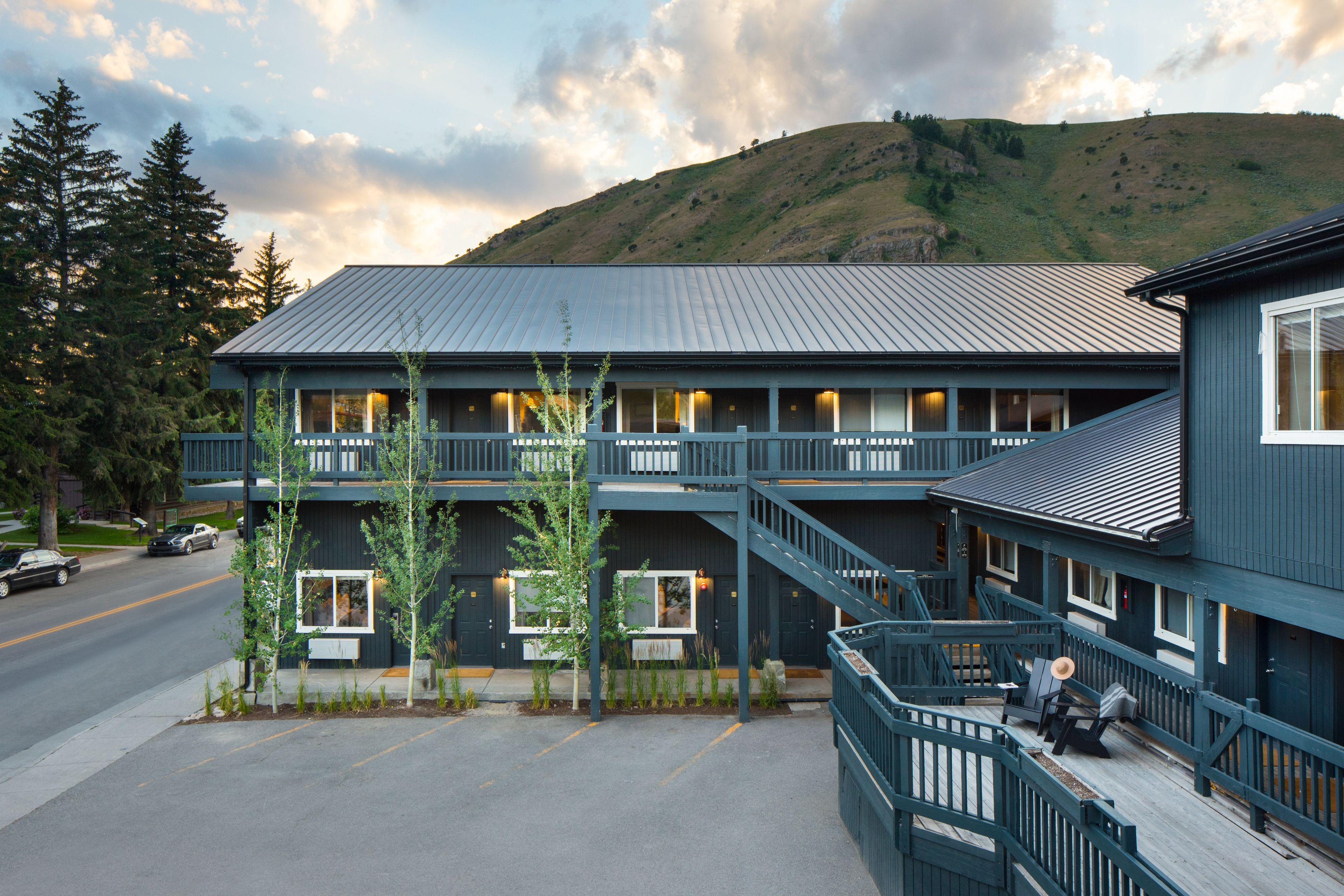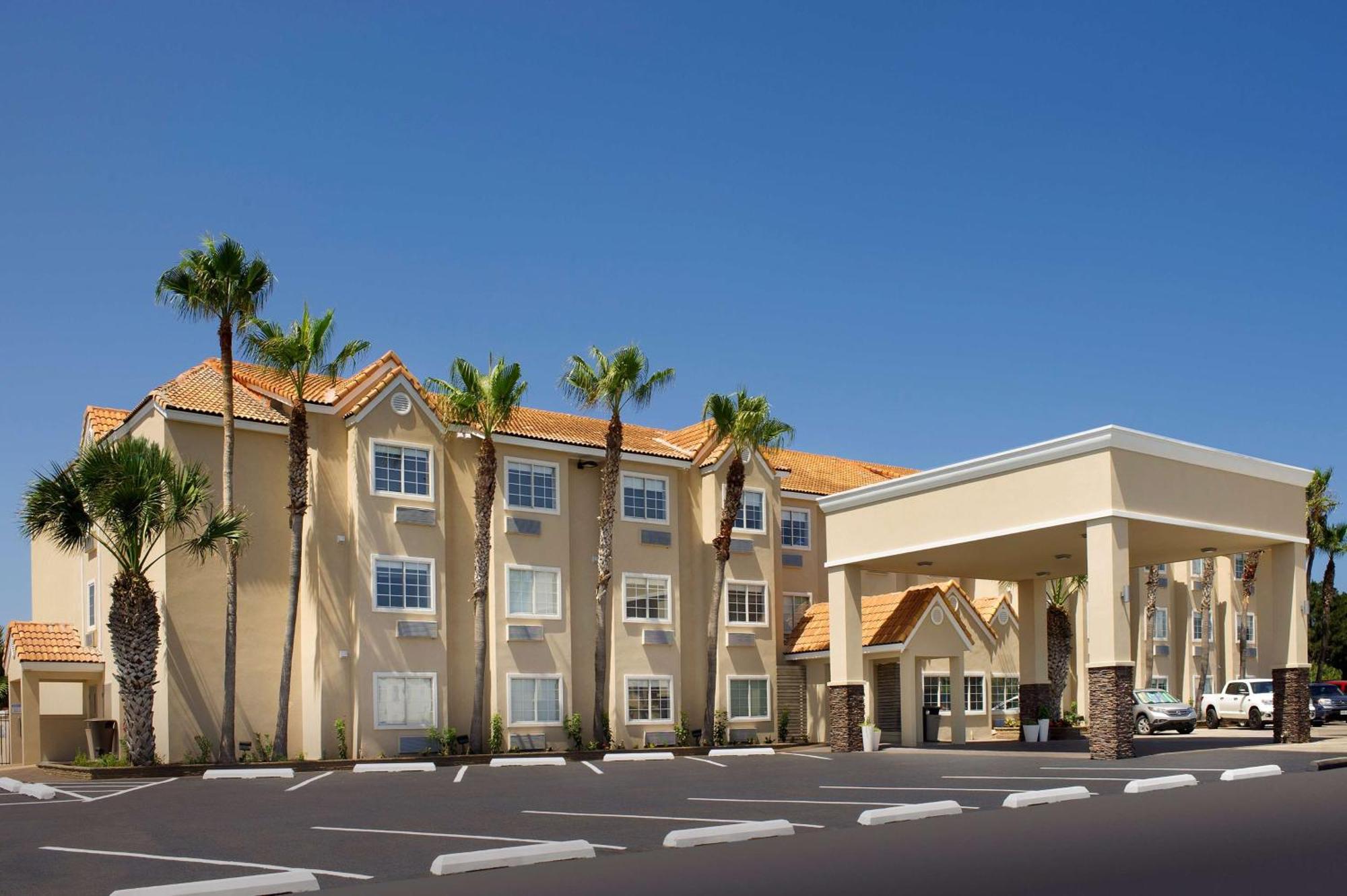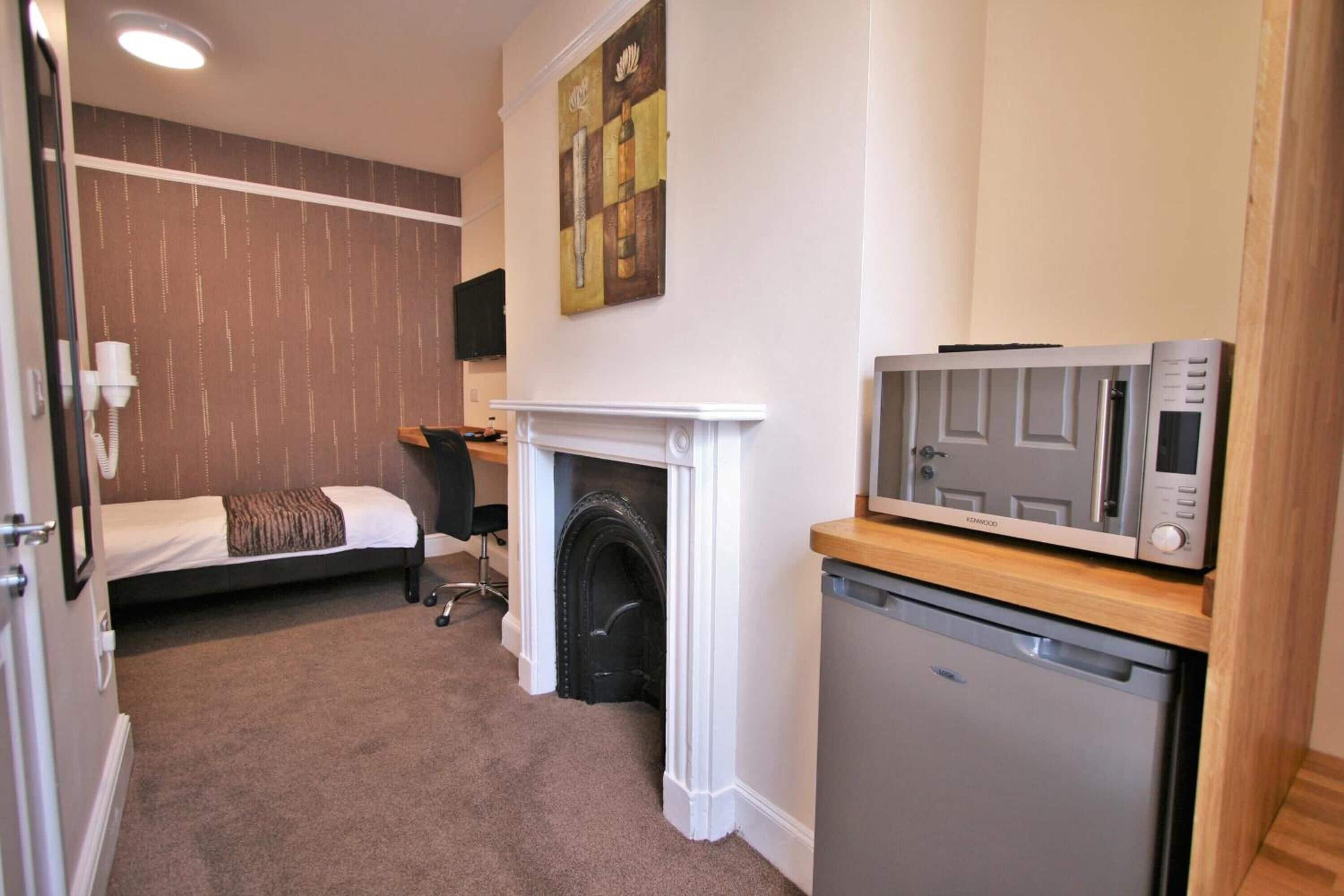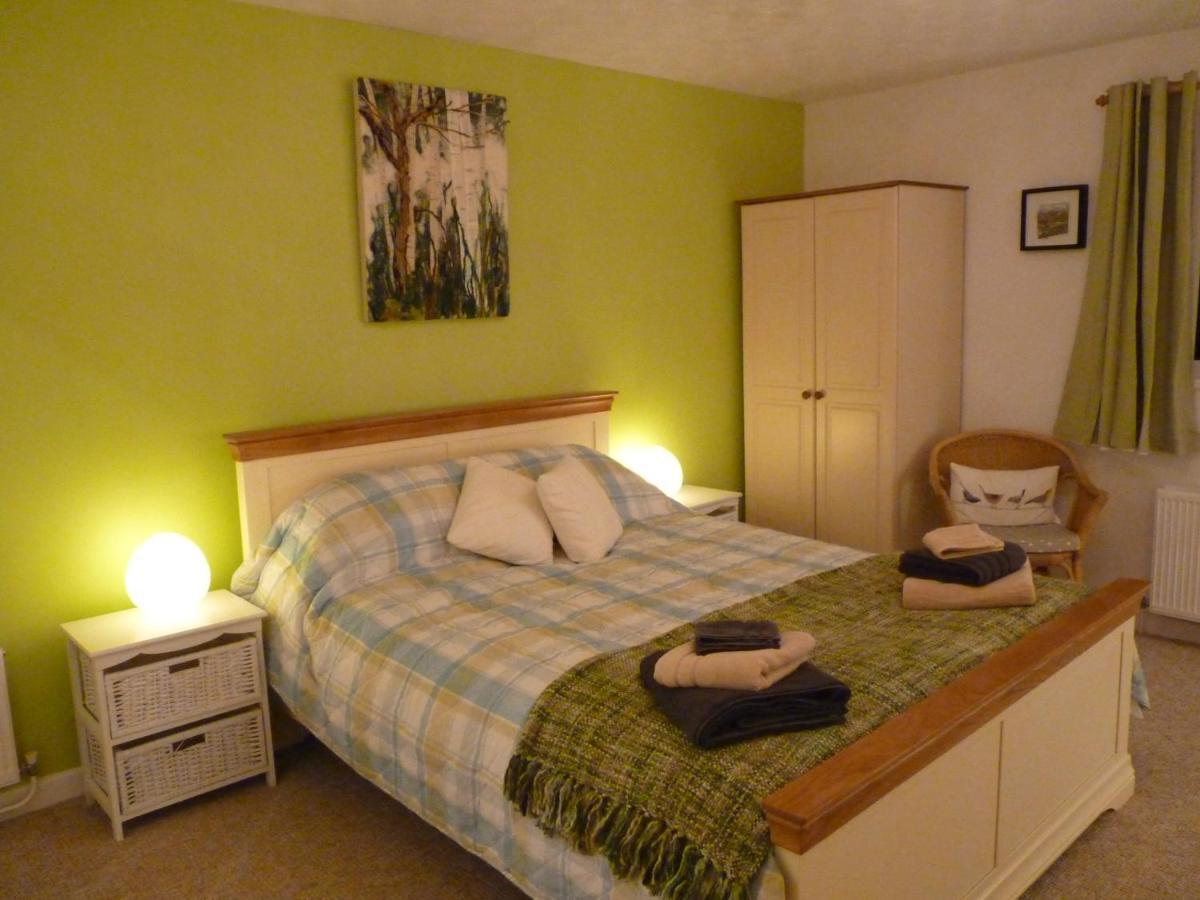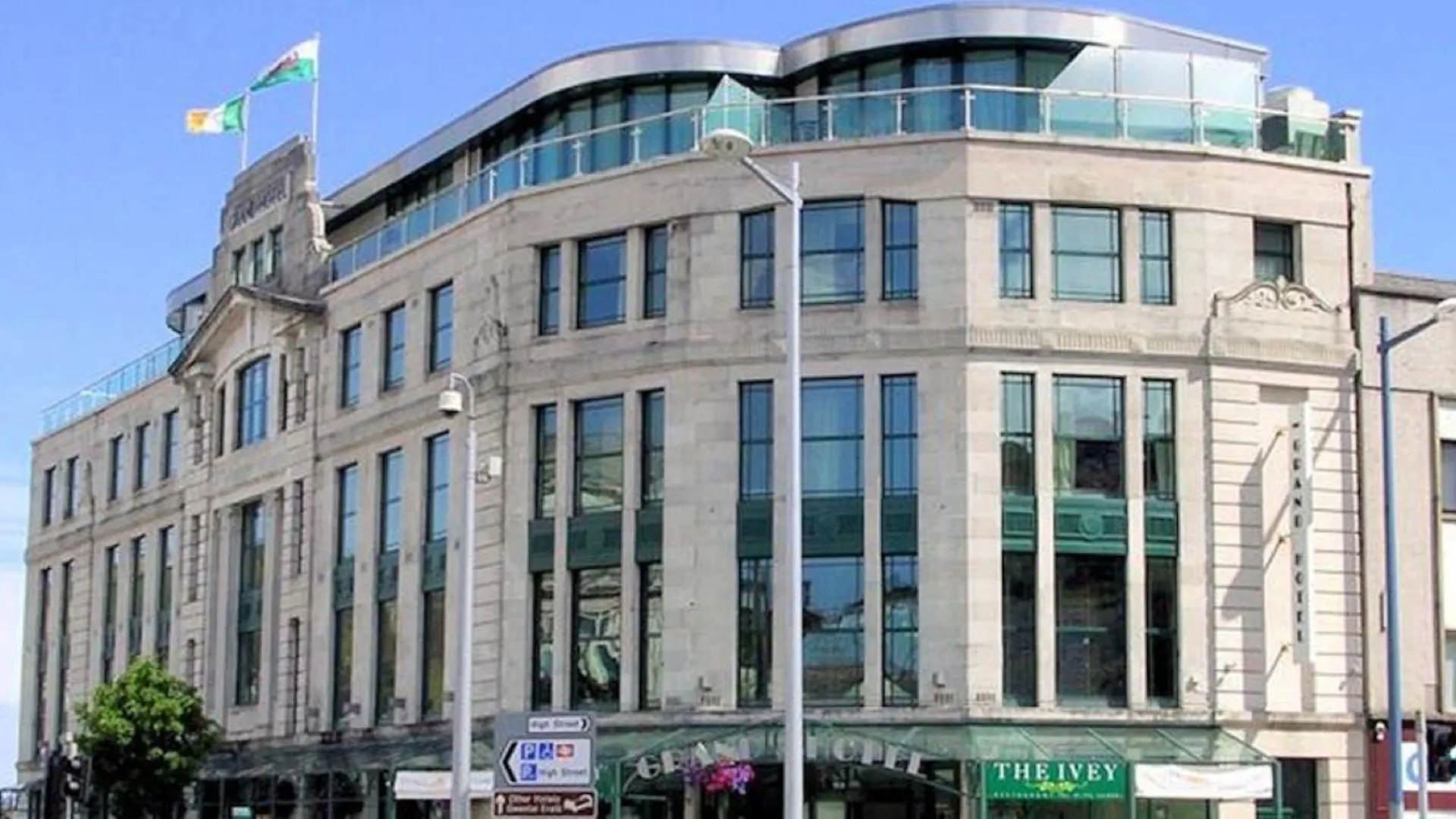
Swansea Bay's wartime-era waterfront is one of South Wales's most historically resonant stretches of coastline, and the surrounding area has quietly evolved into one of the most practical bases for exploring the city. Staying close to 1940s Swansea Bay means direct access to the Maritime Quarter, the seafront promenade running from Mumbles Pier toward the SA1 development, and key road links toward the Gower Peninsula - all within a single urban corridor. This guide covers seven central hotels that position you within the city's most connected zone, with honest assessments of proximity, logistics, and what each property actually delivers.
What It's Like Staying Near 1940s Swansea Bay
The area around 1940s Swansea Bay sits along a flat coastal strip that links Mumbles village to the west with the SA1 marina district to the east - a walkable promenade of around 5 kilometres where the wartime geography of Swansea is still legible in the seafront layout and surviving period architecture. The waterfront itself is low-traffic and pedestrian-friendly, but the urban density increases sharply as you move inland toward the city centre, where the train station, bus interchange, and commercial streets compress into a compact grid. Crowds peak on summer weekends, particularly around Mumbles and the beach access points near Brynmill, but the bay corridor itself remains usable year-round without the congestion levels typical of Cardiff Bay.
Pros:
- Direct promenade access connects most central hotels to the bay on foot, with no major road crossings disrupting the walk
- Swansea's compact city centre means the train station, Grand Theatre, and Swansea Market are all reachable within around 15 minutes on foot from the waterfront zone
- The proximity to the M4 at Junction 42 makes the area practical for drivers heading to the Gower Peninsula or Cardiff without re-entering the city centre
Cons:
- Weekend nights near Wind Street bring significant noise - hotels within two blocks of the city centre drinking district will experience this from Thursday to Saturday
- Parking near the seafront is limited and metered; guests without a hotel car park face real inconvenience during peak season
- Budget accommodation options directly on or adjacent to the bay are scarce - proximity to the water typically means a higher nightly rate
Why Choose Central Hotels Near 1940s Swansea Bay
Central hotels in the Swansea Bay corridor occupy a specific functional niche: they offer city-centre infrastructure - bar, breakfast, front desk - without the total disconnection from the waterfront that you get when staying further inland near the university or in Llansamlet. In this zone, a central hotel typically means a property that can get you to both the bay promenade and the train station without requiring a taxi or bus. Room sizes in this category are generally larger than you'd find in converted terrace guesthouses, and the presence of on-site parking at several properties addresses one of Swansea's most persistent visitor frustrations. Price positioning sits noticeably above the hostel tier, with most central hotels here delivering a practical mid-market experience rather than design-led boutique accommodation.
Pros:
- On-site or adjacent parking is available at multiple properties, which is a concrete advantage in a city where seafront street parking fills by mid-morning in summer
- Central positioning means a single hotel works as a base for both bay-facing activities and inland city itineraries without daily transport costs
- Breakfast is included or available at most central hotels in this zone, reducing daily spend in an area where waterfront café prices run around 40% higher than city-centre alternatives
Cons:
- True beachfront rooms at this price tier are rare - most central hotels sit one or two streets back from the promenade, requiring a short walk to reach the water
- Noise insulation varies significantly between properties; older buildings near the station or Wind Street corridor may not adequately buffer weekend street noise
- The central hotel category in Swansea lacks the design investment of comparable properties in Cardiff or Bristol - expect functional rather than atmospheric interiors
Practical Booking & Area Strategy
For hotels within close walking access of the 1940s Swansea Bay waterfront, the most advantageous street positioning runs along Oystermouth Road - the main coastal artery - and the blocks immediately north toward the Kingsway and Wind Street. Properties on or within one block of Oystermouth Road give direct promenade access in under 5 minutes on foot, while those near the train station on High Street or Strand add around 10 minutes to the bay but dramatically improve connectivity: Swansea's First Great Western and Transport for Wales services depart frequently toward Cardiff (around 1 hour) and Carmarthen. The SA1 waterfront district, home to the National Waterfront Museum, sits at the eastern end of the bay corridor and is walkable from most city-centre hotels in under 20 minutes. The Maritime Quarter, Kings Dock, and Swansea Marina all cluster within this same accessible radius. For the Gower Peninsula - including Rhossili Bay and Three Cliffs Bay - a car or the infrequent local bus service (First Cymru routes 118 and X18) is required; no central hotel replaces that logistical need. Book at least 8 weeks ahead for July and August, when the Swansea Bay area sees its highest occupancy driven by coastal tourism and university events - last-minute availability in this window is limited and commands a significant premium.
Best Value Stays
These properties deliver strong positional or facilities value relative to their price point in the Swansea Bay area, making them the practical choice for travellers prioritising cost-efficiency without sacrificing access to the waterfront corridor.
-
1. The Grand Hotel
Show on map


 Check-infrom 15:00 until 23:59Check-outuntil 11:00
Just a few rooms left at the best rate!
from£ 84
-
2. The Bluebell Hotel
Show on map


 Check-infrom 15:00 until 23:59Check-outuntil 11:00
Just a few rooms left at the best rate!
from£ 51
-
3. The Grand Hotel
Show on map


 Check-infrom 15:00 until 23:59Check-outfrom 10:00 until 11:00
Just a few rooms left at the best rate!
from£ 55
-
4. Dolphin Sa1
Show on map


 Check-infrom 15:00 until 23:59Check-outuntil 11:00
Hurry – almost gone at this price!
from£ 54
Best Premium Stays
These properties offer either direct seafront positioning, upgraded health and leisure facilities, or branded hotel infrastructure that justifies a higher nightly rate for travellers who want more than a functional room near the bay.
-
5. The Coast House
Show on map


 Check-infrom 15:00 until 18:00Check-outfrom 08:00 until 10:00
Hurry – almost gone at this price!
from£ 82
-
6. Village Hotel Swansea
Show on map


 Check-infrom 15:00 until 23:59Check-outuntil 11:00
Rooms filling fast – secure the best rate!
from£ 78
-
7. Delta Hotels By Marriott Swansea
Show on map


 Check-infrom 15:00 until 23:59Check-outuntil 12:00
Rooms filling fast – secure the best rate!
from£ 89
Smart Travel & Timing Advice for Swansea Bay
The 1940s Swansea Bay area follows a clear seasonal pattern: July and August bring the highest occupancy across all hotel categories, driven by coastal leisure tourism and university open days, with seafront-adjacent properties booking out weeks ahead. Late May and September offer the most balanced conditions - lighter crowds, functional weather for the promenade and Gower day trips, and hotel rates that drop noticeably compared to peak summer. The Christmas and New Year period sees a secondary spike, particularly at properties near the city centre, when the Swansea Christmas Market draws significant visitor numbers to the Wind Street and Castle Square zone. For most leisure stays, three nights is the practical minimum to cover the bay itself, a Gower Peninsula excursion, and the city's cultural sites - the National Waterfront Museum, Swansea Market, and Dylan Thomas Centre are each worth dedicated time. Booking 8 weeks ahead for peak summer visits is the clearest advice for securing waterfront-adjacent properties at list rates; last-minute summer searches in this city consistently return either sold-out inventory or heavily inflated pricing at the Marriott and Village Hotel tier.