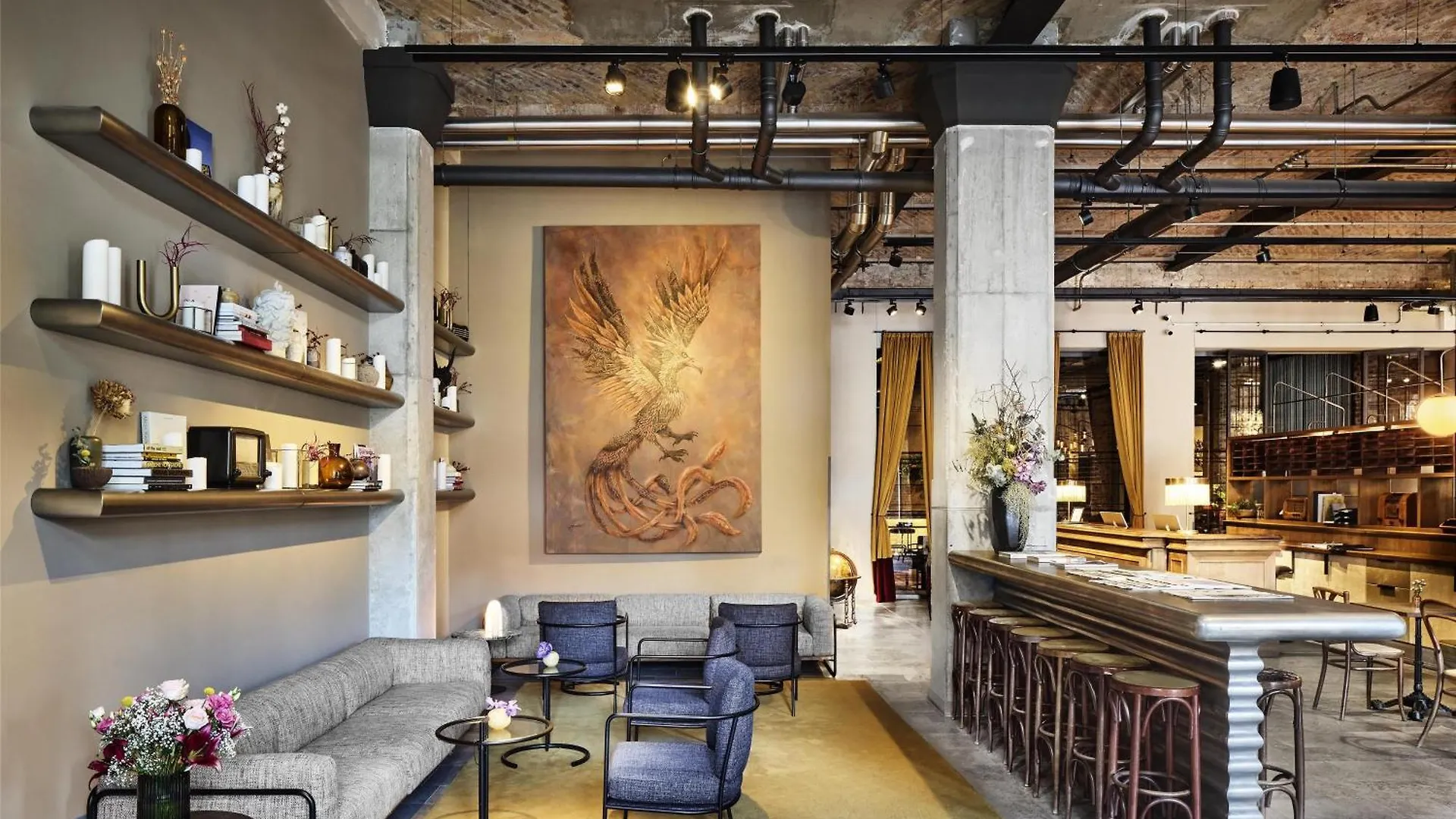
Germany's hotel landscape spans medieval town centres, lakeside retreats, Baltic coast harbour towns, and major urban hubs - and where you stay determines how much ground you can realistically cover. This guide breaks down 15 centrally located hotels across Germany, from Berlin's museum quarter to the Lower Rhine countryside, helping you match accommodation to your actual itinerary rather than just a map pin.
What It's Like Staying in Germany
Germany rewards travellers who understand its regional diversity. The country stretches from the North Sea coast and Hamburg's port to the Bavarian Alps in the south, with entirely different travel rhythms between regions - Baltic harbour towns like Stralsund move slowly, while Berlin runs around the clock. Transport infrastructure is one of Germany's strongest logistical advantages, with an extensive rail network connecting cities like Erfurt, Dortmund, and Cottbus efficiently. Most central hotels in Germany place guests within walking distance of train stations, which matters when day-tripping between regions. The tourist density is highest in Berlin, Bavaria, and the Rhine Valley, while places like Wusterhausen or Jork remain largely off the radar for international visitors.
Pros:
Deutsche Bahn rail access connects virtually every city and town, making car-free travel genuinely viable from most central locations
Central hotels in German towns consistently offer proximity to pedestrianised old town areas (Altstadt), where most restaurants, museums, and markets are concentrated
Germany's density of UNESCO World Heritage Sites - including Stralsund's Old Town and the Luther memorials in Thuringia - means cultural value is high even in smaller cities
Cons:
During Oktoberfest in Munich or major trade fairs in Düsseldorf and Frankfurt, prices in surrounding regions spike and availability drops with around 6 weeks' advance notice being the minimum
Some smaller German towns have limited English-language signage and hospitality staff, which can slow navigation for non-German speakers
Central hotel rooms in historic German buildings often have compact layouts due to listed building restrictions, particularly in Altstadt properties
Why Choose a Centrally Located Hotel in Germany
Centrally located hotels in Germany offer a measurable logistical advantage: most German city centres are compact enough that a central base eliminates the need for taxis or local transit for daily sightseeing. In cities like Erfurt or Lingen, a central hotel puts the old town, train station, and main dining streets within a 10-minute walk. Price differences between central and suburban hotels in German cities rarely exceed around 20%, making the central option more justifiable than in other European capitals. That said, central hotels in industrial or trade-fair cities like Dortmund can be noisier on event weekends, and room sizes in historic buildings tend to run smaller than those in out-of-town business hotels. Family travellers benefit most from central positioning in mid-sized German towns where parking is available and crowds are manageable.
Pros:
Walking access to train stations, old towns, and restaurants removes daily transport planning from the equation
Central positioning in smaller German cities like Kevelaer or Aulendorf means quieter streets than equivalently priced city-centre rooms in Berlin or Dortmund
Many centrally located German hotels are family-run, offering regional breakfast buffets with local produce rather than generic hotel fare
Cons:
Central hotels near trade fair venues (Dortmund's Westfalenhallen) require booking well in advance during events, as rates shift dramatically
Historic central buildings in listed districts may lack lifts or have accessibility limitations not apparent from listings
Free parking is less common in larger city centres - verify availability before booking if arriving by car
Practical Booking & Area Strategy for Germany
Germany's geography makes city selection critical. Berlin is the obvious anchor for first-time visitors, but Erfurt serves as an underrated base for Thuringia, placing you within reach of Weimar, the Wartburg Castle, and the Harz mountains by regional rail. Stralsund is the strategic gateway to Rügen Island - Germany's largest island - and works best as a two-night stop rather than a day trip. For the Black Forest and Baden-Baden, Pforzheim provides a budget-friendly central base around 30 km from the forest edge. The Cottbus area, close to the Spreewald Biosphere Reserve, is rarely overcrowded and offers 4-star facilities at noticeably lower rates than equivalent Berlin properties. In the Lower Rhine region, Kevelaer is a compact pilgrimage town that doubles as a quiet cycling base, with flat terrain extending into the Netherlands. Book central hotels in Berlin, Dortmund, and Erfurt at least 8 weeks ahead during summer and Christmas market season.
Central Hotels in Berlin & Brandenburg
Berlin and the surrounding Brandenburg region offer the widest range of central hotel options in Germany, from converted historic buildings steps from the Pergamon Museum to nature-facing retreats within 30 minutes of the city centre.
-
1. Telegraphenamt
Show on map


 Check-infrom 15:00 until 23:59Check-outuntil 12:00
Just a few rooms left at the best rate!
from€ 247
-
2. Waldhotel Wandlitz
Show on map


 Check-infrom 15:00 until 23:59Check-outfrom 06:00 until 10:00
Hurry – almost gone at this price!
from€ 68
-
3. Novel Hotel
Show on map


 Check-infrom 15:00 until 22:00Check-outfrom 08:00 until 11:00
Hurry – almost gone at this price!
from€ 56
-
4. Pension Sorrento
Show on map


 Check-infrom 10:30 until 21:30Check-outuntil 10:00
Hurry – almost gone at this price!
from€ 101
Central Hotels in Lower Saxony & North Germany
Lower Saxony and Germany's northern coast offer central hotels ranging from family-run town-centre properties in Soltau and Lingen to rural retreats in the Jork region near Hamburg's Elbe estuary - each serving a distinct travel purpose.
-
5. Hotel Meyn
Show on map


 Check-infrom 15:00 until 23:59Check-outfrom 07:00 until 11:00
Best price guarantee
from€ 81
-
6. Burghotel Lingen
Show on map


 Check-infrom 15:00 until 18:00Check-outuntil 11:00
Rooms filling fast – secure the best rate!
from€ 101
-
7. Hotel Vom Land Zum Meer
Show on map


 Check-infrom 15:00 until 21:00Check-outfrom 08:00 until 11:00
Best price guarantee
from€ 68
Central Hotels in NRW, Thuringia & Eastern Germany
From Dortmund's trade fair district and the pilgrimage town of Kevelaer in the Lower Rhine to the UNESCO-listed old town of Erfurt and the Spreewald-adjacent city of Cottbus, this cluster of central hotels covers Germany's most culturally dense interior regions.
-
8. Gildenhof An Den Westfalenhallen Dortmund
Show on map


 Check-infrom 15:00 until 23:59Check-outfrom 07:00 until 11:00
Rooms filling fast – secure the best rate!
from€ 84
-
9. Hotel Klostergarten
Show on map


 Check-infrom 15:00 until 23:59Check-outfrom 07:00 until 11:00
Just a few rooms left at the best rate!
from€ 76
-
10. Nyx Hotel Erfurt By Leonardo Hotels
Show on map


 Check-infrom 15:00 until 23:59Check-outuntil 12:00
Just a few rooms left at the best rate!
from€ 130
-
11. Radisson Blu Hotel Cottbus
Show on map


 Check-infrom 15:00 until 23:59Check-outuntil 11:00
Rooms filling fast – secure the best rate!
from€ 78
-
12. Hotel Hanseat Stralsund
Show on map


 Check-infrom 15:00 until 19:00Check-outfrom 07:00 until 10:00
Best price guarantee
from€ 157
Central Hotels in Baden-Württemberg & Bavaria-Adjacent Regions
Southwest Germany's central hotels serve distinct functions: Pforzheim as a budget gateway to the Black Forest, Aulendorf as a base for Swabian spa country, and Rust as the closest accommodation to Europa-Park - Germany's most visited theme park outside Bavaria.
-
13. Gaestehaus Hauser
Show on map


 Check-infrom 13:00 until 23:59Check-outfrom 07:00 until 10:00
Best price guarantee
from€ 212
-
14. Hotel Europa Pforzheim
Show on map


 Check-infrom 14:00 until 23:59Check-outuntil 10:00
Just a few rooms left at the best rate!
from€ 100
-
15. Hotel Engel Aulendorf
Show on map


 Check-infrom 16:00 until 20:00Check-outfrom 07:00 until 10:00
Best price guarantee
from€ 139
Smart Travel Timing & Booking Strategy for Germany
Germany has two distinct peak windows that affect central hotel pricing across the country. Summer (June to August) pushes occupancy above 85% in Berlin, Erfurt, and Stralsund, with availability in smaller towns like Kevelaer and Soltau tightening from July onwards. The Christmas market season - mid-November through late December - creates a second price spike, particularly in Thuringia (Erfurt's market is among Germany's oldest) and across Baden-Württemberg. Book central hotels in major cities at least 8 weeks ahead during these windows; smaller regional hotels like those in Jork, Wandlitz, or Lingen often retain availability closer to arrival. Shoulder season (March to May and September to October) offers the best balance of price and crowd levels - Stralsund's UNESCO old town is significantly more navigable in September than in August. Cottbus and the Brandenburg interior remain underbooked year-round, making last-minute booking feasible outside EuroSpeedway event weekends. For Europa-Park adjacent accommodation in Rust, availability collapses during school holidays in Baden-Württemberg and Bavaria - plan around 10 weeks ahead minimum during those periods. Three to four nights is the practical minimum for any German region to avoid spending the majority of each day in transit.