Florida's sheer size - spanning over 800 kilometres from Pensacola to Key West - means that where you base yourself determines almost everything about your trip. Choosing a centrally located hotel in Florida gives you direct access to the state's most visited corridors: the Gulf Coast resort towns, the Atlantic beaches, the Florida Keys, and the Space Coast. Whether you're planning a road trip, a beach escape, or a mix of wildlife and culture, a well-positioned hotel cuts your daily drive time significantly and keeps you closer to the action.
What It's Like Staying in Florida
Florida draws around 140 million visitors per year, making it one of the most visited states in the US - and that volume directly shapes the travel experience. Traffic on I-95 and I-75 can add 45 minutes or more to coastal drives during peak season, which makes hotel positioning a logistical decision, not just a comfort one. The state operates on a car-centric rhythm: most hotels offer free parking, public transit is limited outside of Miami and Orlando, and distances between attractions routinely exceed 30 kilometres.
Florida's climate is split between a dry season (November-April) and a humid, storm-prone summer. Staying in a centrally located property - whether in Tampa, Jacksonville Beach, or along the Keys - puts you within reach of both Gulf and Atlantic coasts without committing your entire trip to one corridor.
Pros:
- Centrally located hotels reduce repositioning costs and eliminate repeated long drives between destinations
- Florida's flat terrain and wide highway grid make most central hotels genuinely efficient bases for multi-stop itineraries
- Free parking is standard at the majority of Florida's hotels, removing a significant urban travel cost
Cons:
- Even from a central location, some of Florida's top draws - like the Everglades or Key West - require multi-hour drives
- Central hotels in downtown areas like Tampa or Fort Myers can experience heavy weekend foot traffic and noise
- Florida's summer heat and humidity make outdoor sightseeing between June and September genuinely uncomfortable without careful planning
Why Choose Centrally Located Hotels in Florida
Centrally positioned hotels in Florida offer a practical advantage that beachfront or resort-only stays cannot: flexibility. Rather than locking yourself into one coastal strip, a central hotel lets you pivot between the Gulf's calm, emerald waters and the Atlantic's surf-facing shoreline within the same trip. Rates at central hotels across Florida typically run around 30% lower than waterfront resort pricing during peak season, without sacrificing access to beaches that are often just minutes away. Room sizes at centrally located properties tend to be larger than boutique beachfront options, with many offering suite-style layouts, full kitchens, and in-room amenities designed for extended stays.
The trade-off is primarily atmospheric: central hotels in Florida's inland or downtown zones won't give you a direct ocean view from the room, and the immediate surroundings can feel more commercial than scenic. But for travellers who use their room as a base rather than a destination, the value calculation strongly favours a well-placed central property.
Pros:
- Access to multiple Florida regions - beaches, state parks, marinas - without paying waterfront premiums
- Many central Florida hotels offer full kitchen suites, making them cost-effective for stays beyond 3 nights
- Better availability during high season, when beachfront resorts sell out weeks in advance
Cons:
- Lack of direct beach or water access means you'll need a car or bike for most outdoor activities
- Downtown central hotels in cities like Tampa or Panama City can be noisier, especially on weekends
- The Florida sun makes locations without poolside or shaded outdoor spaces noticeably less enjoyable in summer
Practical Booking & Area Strategy for Florida
Florida's geography rewards strategic hotel placement. Tampa sits at the geographic midpoint of the state's west coast, making it one of the most efficient bases for travellers who want Gulf beach access (Clearwater is 45 minutes away) alongside urban amenities, the Florida Aquarium, and Ybor City's nightlife. On the Atlantic side, Jacksonville Beach positions you within reach of Amelia Island to the north and Daytona Beach to the south, with the added advantage of one of Florida's most walkable beach communities. For Keys-bound travellers, positioning in Key Largo or Islamorada cuts the drive to John Pennekamp Coral Reef State Park to under 10 minutes, while still keeping Miami reachable in around 60 minutes.
The Space Coast around Cape Canaveral offers a unique central position: Kennedy Space Center is directly accessible, Port Canaveral handles major cruise departures, and both Cocoa Beach and the Canaveral National Seashore are within a short drive. For the Panhandle, Panama City and Santa Rosa Beach serve as anchors for 30A's scenic highway, Destin's beaches, and Apalachicola's historic downtown. Book at least 6 weeks ahead for stays between December and April, when snowbirds and spring breakers fill properties across the entire state. The Treasure Coast - covering Stuart, Vero Beach, and Sebastian - remains one of Florida's least crowded and most underrated central base areas, with significantly better availability year-round.
Best Value Central Hotels in Florida
These centrally located properties deliver strong practical value across Florida's most accessible regions - from the Space Coast to the Gulf beaches - with rates that reflect their inland or semi-central positioning rather than premium waterfront pricing.
-
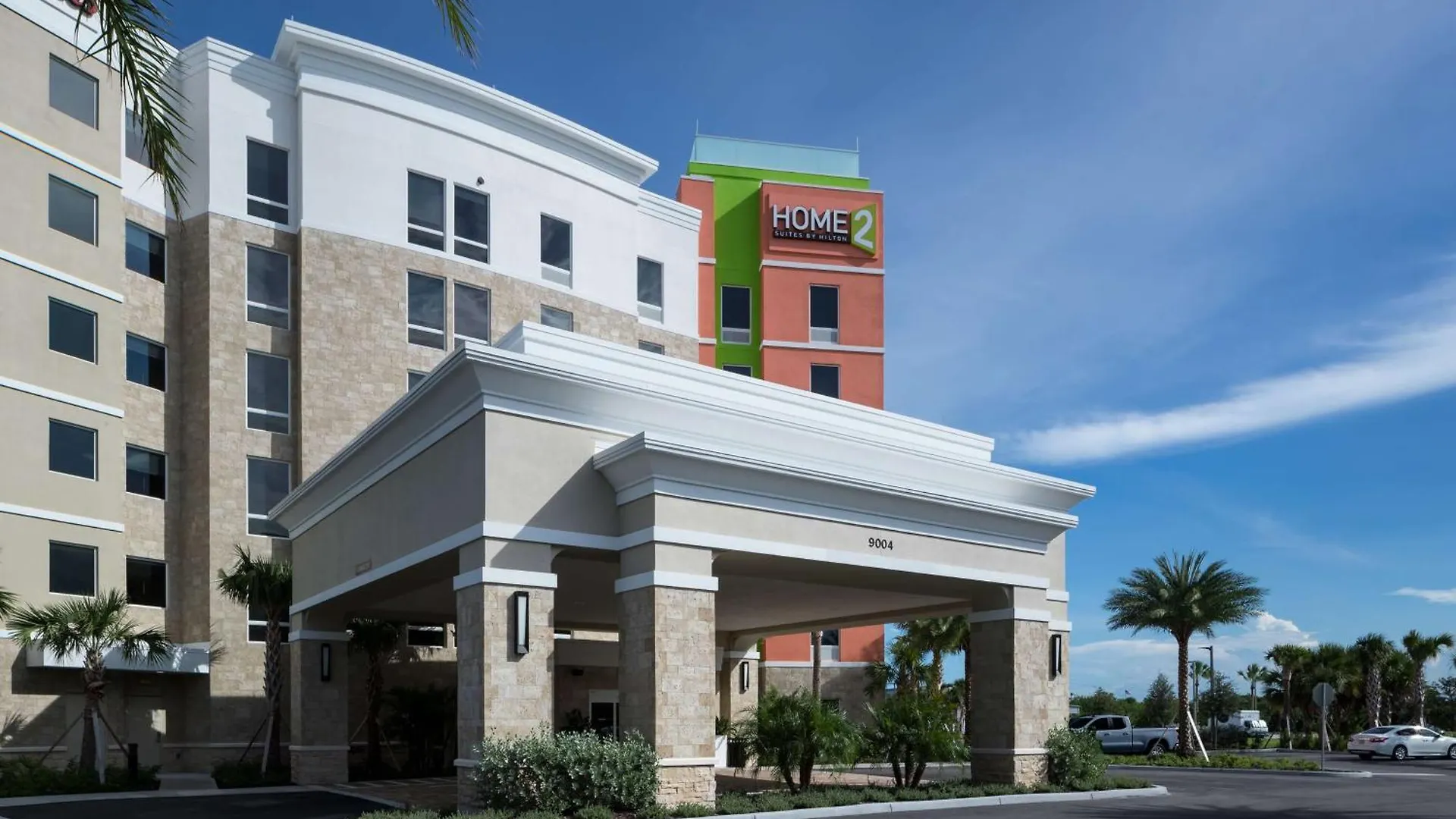
1. Home2 Suites By Hilton Cape Canaveral Cruise Port
Show on map


 Check-infrom 16:00 until 23:59Check-outuntil 11:00
Just a few rooms left at the best rate!
fromUS$ 308
-
2. Element By Marriott Jacksonville Beach
Show on map


 Check-infrom 16:00 until 23:59Check-outuntil 11:00
Rooms filling fast – secure the best rate!
fromUS$ 170
-
3. Hampton Inn & Suites Middleburg, Fl
Show on map


 Check-infrom 15:00 until 23:59Check-outuntil 11:00
Best price guarantee
fromUS$ 317
-
4. Days Inn By Wyndham Stuart
Show on map


 Check-infrom 16:00 until 23:59Check-outuntil 11:00
Best price guarantee
fromUS$ 66
-
5. Holiday Inn - Fort Myers - Downtown Area By Ihg
Show on map


 Check-infrom 15:00 until 23:59Check-outuntil 11:00
Best price guarantee
fromUS$ 73
-
6. Coombs Inn & Suites
Show on map


 Check-infrom 16:00 until 21:00Check-outfrom 10:00 until 11:00
Hurry – almost gone at this price!
fromUS$ 99
-
7. Hibiscus Coffee & Guesthouse
Show on map


 Check-infrom 15:00 until 23:59Check-outuntil 11:00
Best price guarantee
fromUS$ 236
-
8. Inn At The Beach-Venice Florida
Show on map


 Check-infrom 16:00 until 22:00Check-outfrom 07:00 until 11:00
Hurry – almost gone at this price!
fromUS$ 89
Best Premium Central Hotels in Florida
These properties combine central positioning across Florida's most distinct regions - from the Keys to Tampa's urban core - with resort-grade amenities, waterfront access, and facilities that justify a higher nightly rate.
-
9. Roost Tampa
Show on map


 Check-infrom 16:00 until 23:59Check-outuntil 11:00
Just a few rooms left at the best rate!
fromUS$ 189
-
10. Hotel Indigo Panama City Marina By Ihg
Show on map


 Check-infrom 16:00 until 23:59Check-outuntil 11:00
Rooms filling fast – secure the best rate!
fromUS$ 179
-
11. Cheeca Lodge & Spa
Show on map


 Check-infrom 16:00 until 23:59Check-outuntil 11:00
Best price guarantee
fromUS$ 185
-
12. Capt Hirams Resort
Show on map


 Check-infrom 16:00 until 23:59Check-outfrom 08:00 until 10:00
Best price guarantee
fromUS$ 129
-
13. Waterside Suites And Marina
Show on map


 Check-infrom 16:00 until 23:59Check-outuntil 11:00
Best price guarantee
fromUS$ 119
-
14. Banana Bay Resort & Marina
Show on map


 Check-infrom 16:00 until 22:00Check-outfrom 07:00 until 11:00
Best price guarantee
fromUS$ 116
-
15. Matanzas Inn
Show on map


 Check-infrom 15:00 until 22:00Check-outuntil 11:00
Just a few rooms left at the best rate!
fromUS$ 79
Smart Travel & Timing Advice for Florida
Florida's peak travel season runs from mid-December through April, driven by snowbirds from the Northeast, spring break crowds in March, and families during school holiday windows. Hotel rates across the state spike by around 50% during these months, and availability at well-reviewed central properties in Tampa, the Keys, and the Space Coast can disappear 8 weeks out. Booking early is non-negotiable for winter and spring travel, particularly for resorts like Cheeca Lodge in Islamorada, which fills quickly with anglers and divers during tarpon season (April-June).
The sweet spot for value and weather falls in November and early December: temperatures sit in the low-to-mid 20s Celsius across most of the state, crowds thin noticeably, and last-minute rates become viable at mid-range central hotels. Summer (June-September) offers the lowest nightly rates - sometimes around 35% below peak season pricing - but daily afternoon thunderstorms, extreme humidity, and Atlantic hurricane risk require flexible itinerary planning. A minimum of 3 nights in any given Florida base is recommended to justify the positioning time and make full use of the surrounding region. Travellers covering multiple Florida zones - for example, Tampa to the Keys - should plan for a mid-trip repositioning stop in the Fort Myers or Marco Island corridor rather than attempting both coasts in a single long day.