Boston Children's Museum sits on Congress Street in the Fort Point Channel neighborhood, a district that has quietly become one of Boston's most active zones for corporate activity, tech firms, and convention traffic. Staying close means positioning yourself between the Seaport District's conference infrastructure and the financial core of downtown Boston - a combination that works for professionals who need both connectivity and proximity to South Station or Logan Airport.
What It's Like Staying Near Boston Children's Museum
The blocks surrounding Boston Children's Museum place you in Fort Point, a former warehouse district that now blends creative agencies, tech startups, and convention-driven foot traffic from the nearby Boston Convention and Exhibition Center. The area is walkable and grid-structured, making it straightforward to navigate on foot to South Station, the Seaport District, and the Rose Wharf waterfront. Evening activity is moderate - restaurant and bar traffic picks up after 6 PM, but the neighborhood quiets significantly by 10 PM on weekdays, which suits business travelers on early schedules.
Congress Street itself sees consistent daytime foot traffic from museum visitors and conference attendees, but hotel side streets remain calm. The MBTA Silver Line connects the area to Logan Airport in around 20 minutes without a transfer, which is a practical advantage for frequent flyers.
Pros:
Direct Silver Line access to Logan Airport with no transfers required
Walking distance to South Station, the Seaport, and the Financial District
Quieter nighttime atmosphere than Downtown Crossing or Back Bay
Cons:
Limited late-night dining options directly in Fort Point
Convention weeks drive up hotel rates and reduce last-minute availability
Fewer transit options on weekends compared to central Boston neighborhoods
Why Choose Business Hotels Near Boston Children's Museum
Business hotels in the Fort Point and Seaport corridor are designed for work-oriented stays - they typically include dedicated meeting spaces, in-room desks with ergonomic setups, 24-hour front desks, and reliable high-speed WiFi. Room sizes in this category tend to be larger than standard city hotels, particularly in extended-stay formats, which matters on multi-night corporate trips when living out of a suitcase becomes impractical. Nightly rates in the Seaport business tier generally run higher than equivalent rooms in Cambridge or Quincy, but the time savings from proximity to South Station and the Convention Center justify the cost for most corporate itineraries.
Properties in this segment also tend to include business centers, printing access, and on-site food and beverage options that accommodate early breakfast before 7 AM - a detail that matters when catching the first Amtrak or shuttle. Compared to boutique hotels in the area, business-category properties offer around 30% more in-room workspace and consistently stronger WiFi infrastructure, which reduces dependency on coworking spaces.
Pros:
Meeting spaces and business centers available on-site without booking offsite venues
Early breakfast service compatible with pre-7 AM departures
Extended-stay options with full kitchen facilities reduce meal expenses on longer trips
Cons:
Higher average nightly rates than Cambridge or Quincy alternatives
Convention season blocks can push rates up significantly with limited notice
Properties near the waterfront may require a short taxi or rideshare to reach the Financial District directly
Practical Booking & Area Strategy
For the closest access to Boston Children's Museum on Congress Street, properties on Seaport Boulevard and Northern Avenue sit within a 10-minute walk and give direct pedestrian access to the waterfront, the Institute of Contemporary Art, and the Convention Center. South Station is the critical transport hub in this area - it connects to the Red Line, Amtrak Northeast Corridor, and Logan Express buses, making it the most practical anchor point for business travelers arriving by rail or air. Hotels in Quincy or Cambridge offer lower nightly rates but add around 30 minutes of transit time each way to the Seaport, which compounds across a full week of meetings.
The Fort Point and Seaport area peaks in occupancy during major conventions at the BCEC, typically in spring and fall, with rates spiking significantly during events like the Boston Marathon in April. Booking at least 6 weeks ahead during those windows is essential to secure rates and preferred rooms. Beyond the museum itself, nearby draws include Fan Pier, the ICA Boston, Harborwalk, and a short walk or T ride to Faneuil Hall and the Financial District - making this a central base for both work commitments and any off-hours exploration.
Best Value Business Stays
These properties offer solid business infrastructure at more accessible price points, with transport-connected locations that keep downtown Boston and Logan Airport within practical reach without the Seaport waterfront premium.
-
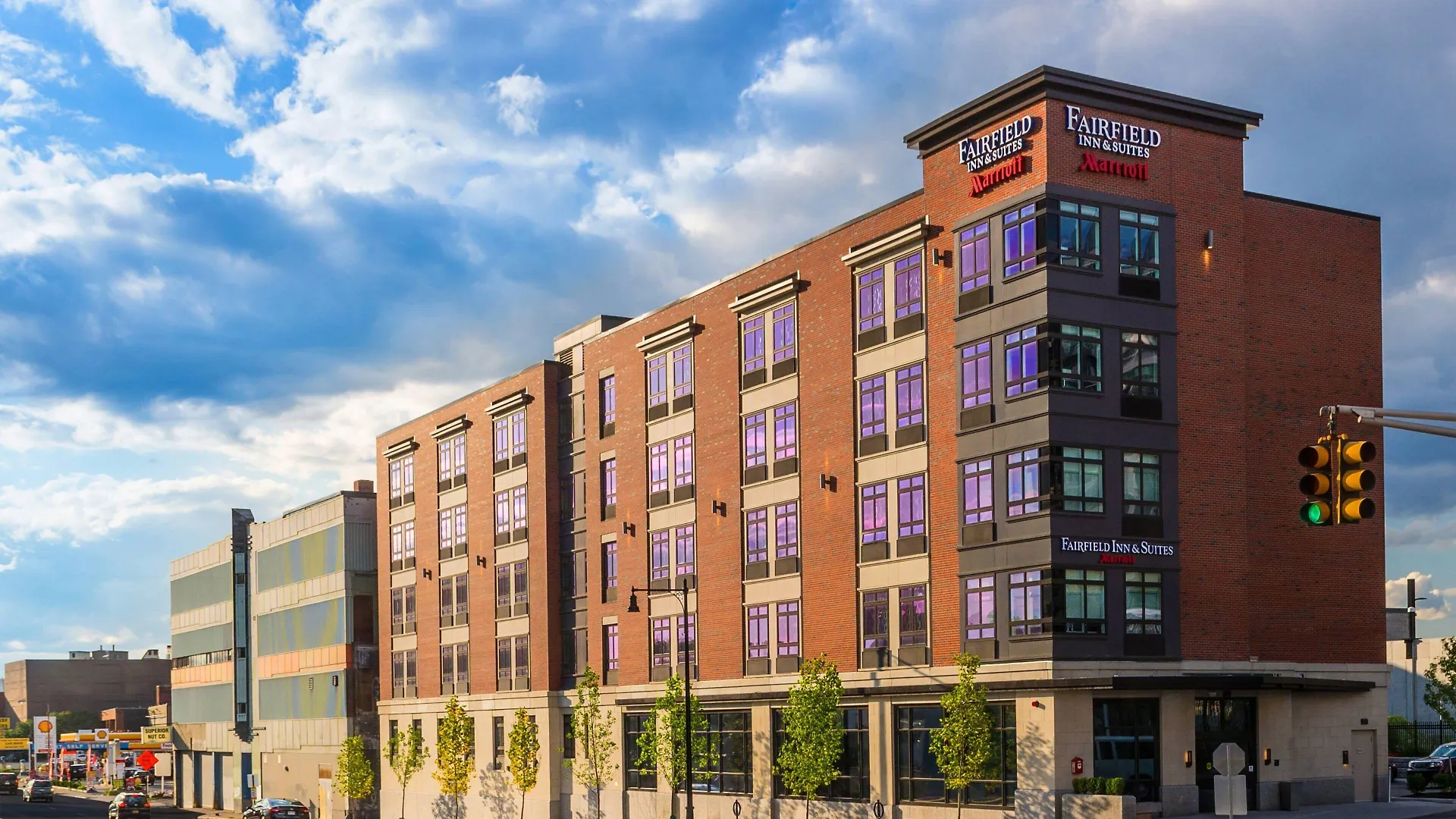
1. Fairfield Inn & Suites By Marriott Boston Cambridge
Show on map


 Check-infrom 15:00 until 23:59Check-outuntil 12:00
Just a few rooms left at the best rate!
fromUS$ 154
-
2. Ac Hotel By Marriott Boston Cambridge
Show on map


 Check-infrom 15:00 until 23:59Check-outuntil 12:00
Just a few rooms left at the best rate!
fromUS$ 247
-
3. Staybridge Suites - Quincy By Ihg
Show on map


 Check-infrom 15:00 until 23:59Check-outuntil 11:00
Hurry – almost gone at this price!
fromUS$ 142
Best Premium Business Stays
These properties sit closest to Boston Children's Museum and the Seaport District's conference infrastructure, offering full-service business amenities and waterfront positioning that justifies higher nightly rates for high-frequency corporate travelers.
-
4. The Westin Boston Seaport District
Show on map


 Check-infrom 16:00 until 23:59Check-outuntil 12:00
Hurry – almost gone at this price!
fromUS$ 140
-
5. Residence Inn Boston Harbor On Tudor Wharf
Show on map


 Check-infrom 16:00 until 23:59Check-outuntil 12:00
Rooms filling fast – secure the best rate!
fromUS$ 149
Smart Travel & Timing Advice for the Fort Point and Seaport Area
The Seaport District around Boston Children's Museum runs hottest in occupancy during April - driven by the Boston Marathon and spring conference season - and again in September and October when the BCEC hosts its heaviest convention schedule. Booking at least 6 weeks ahead for any April or October travel is not optional; last-minute availability during peak convention weeks is almost nonexistent for business-category properties. July and August see tourism-driven price increases in waterfront hotels, but mid-week rates remain more manageable than weekends, which tend to attract leisure travelers from New York and Providence.
January and February offer the lowest rates in this corridor - typically around 30% below peak - with minimal convention competition and quieter streets that actually suit focused work trips without distraction. A 2 to 3-night stay covers most Seaport-anchored business itineraries comfortably, but extended-stay formats in Quincy or Cambridge become financially rational beyond 5 nights. Mid-week check-ins on Tuesday or Wednesday consistently yield lower rates than Monday arrivals, which coincide with the bulk of corporate check-ins across the district.