Suffolk draws travellers seeking coastal walks along Southwold's shingle beaches, medieval market towns like Framlingham, and some of England's most quietly scenic countryside - all within reach of London Liverpool Street in around 90 minutes by train. B&Bs and apartments in Suffolk offer a more grounded, locally connected stay than chain hotels, typically placing guests within walking distance of village pubs, heritage sites, and AONB-protected landscapes. This guide covers four vetted properties across the county to help you choose the right base for your trip.
What It's Like Staying in Suffolk
Suffolk is one of England's least-crowded counties by visitor density, meaning even peak-season stays feel unhurried compared to Devon or the Cotswolds. The county runs on a slow, rural rhythm - most villages have one pub, one church, and no traffic lights - which suits walkers, cyclists, and heritage travellers far better than those needing nightlife or retail. Public transport is limited outside Ipswich, so a car is practically essential for reaching inland towns like Laxfield or Orford. Coastal spots like Southwold and Aldeburgh spike in visitor numbers from late June through August, but even then, the AONB landscapes absorb crowds well.
Pros:
Exceptionally low light pollution across inland Suffolk makes it one of the UK's better stargazing destinations
Proximity to the Suffolk Heritage Coast AONB means outstanding walking directly from most village B&Bs
Lower accommodation prices compared to comparable rural stays in the Cotswolds or Cornwall
Cons:
Bus services between villages are infrequent or non-existent - a hire car is almost unavoidable
Many village restaurants and pubs close on Mondays and Tuesdays, limiting dining options mid-week
Mobile and broadband connectivity is patchy in rural areas, which can affect remote workers
Why Choose B&Bs and Apartments in Suffolk
B&Bs in Suffolk punch well above their price point relative to equivalent rural hotel stays, and most include breakfast cooked with local ingredients - something no generic hotel breakfast replicates. In a county where the experience is defined by landscape, food provenance, and local character, staying in a B&B directly reflects that identity. Nightly rates at Suffolk B&Bs typically run around 30% lower than three-star hotels in comparable English rural regions, while room sizes are generally larger and parking is almost always free. The trade-off is reduced flexibility - most B&Bs have fixed check-in windows, no 24-hour reception, and limited room service.
Pros:
Free private parking is standard across nearly all Suffolk B&Bs - a real saving at coastal locations where car parks charge heavily in summer
Breakfast quality at independent Suffolk B&Bs frequently outperforms hotel equivalents in terms of sourcing and portion size
Hosts provide accurate, local knowledge about walking routes, tides, and seasonal events that no booking app matches
Cons:
Fixed check-in windows (typically 4-7 pm) require tighter travel planning than hotels with 24-hour reception
Most properties have fewer than 8 rooms, so availability disappears fast during Aldeburgh Festival or bank holidays
Limited on-site amenities - no gym, no spa, no room service - compared to larger hotel properties
Practical Booking and Area Strategy for Suffolk
Suffolk divides naturally into three zones for accommodation strategy: the Heritage Coast (Southwold, Aldeburgh, Orford), the central market town belt (Framlingham, Laxfield, Eye), and the southern Felixstowe peninsula. Coastal properties book out around 8 weeks ahead during July and August, so early reservation is non-negotiable for summer visits. For travellers arriving by rail, Ipswich Station is the main hub - from there, hiring a car or taxi is the most practical route to inland villages. The Aldeburgh Food and Drink Festival in October and the Latitude Festival near Southwold in July both create sharp price spikes within around 25 km of those venues. If your priority is Framlingham Castle, RSPB Minsmere, or Sutton Hoo, positioning yourself centrally in mid-Suffolk keeps drive times under 30 minutes to all three. Orford and Felixstowe suit travellers who want coast access without the premium pricing of Southwold itself.
Best Value Stays
These B&Bs offer strong location credentials and practical facilities at competitive nightly rates, making them well-suited to travellers focused on Suffolk's natural and heritage highlights without overspending on accommodation.
-
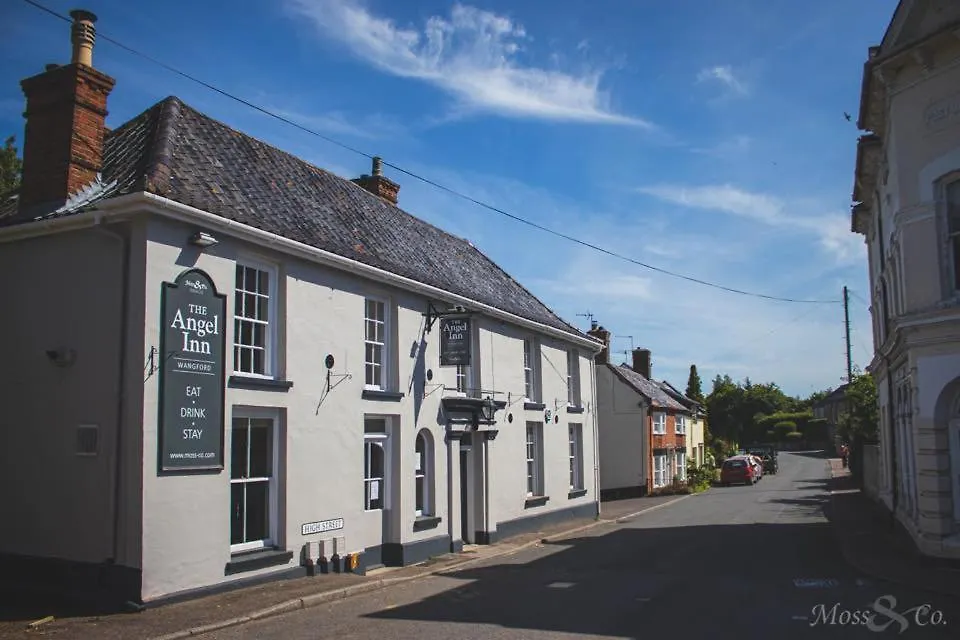
1. The Angel Inn
Show on map


 Check-infrom 15:00 until 15:30Check-outuntil 11:00
Just a few rooms left at the best rate!
from£ 72
-
2. Kings Head
Show on map


 Check-infrom 14:00 until 21:00Check-outuntil 10:00
Just a few rooms left at the best rate!
from£ 133
-
3. Grange Farm House
Show on map


 Check-infrom 15:00 until 23:00Check-outfrom 07:00 until 10:00
Hurry – almost gone at this price!
from£ 95
Best Premium Option
For travellers who want a more characterful coastal stay with added amenities - including free bikes, a terrace, and a traditional restaurant - this Orford property stands apart from the standard Suffolk B&B offer.
-
4. The Jolly Sailor
Show on map


 Check-infrom 15:00 until 22:00Check-outuntil 11:00
Rooms filling fast – secure the best rate!
from£ 135
Smart Travel and Timing Advice for Suffolk
July and August are peak months across the Suffolk Heritage Coast, driven by Latitude Festival near Southwold and school holidays - expect B&B availability to tighten sharply and nightly rates to climb at coastal properties. September is arguably the best month to visit: crowds drop, the sea remains swimmable, and walking conditions across Dunwich Heath and Minsmere are at their most pleasant. The Aldeburgh Food and Drink Festival in October adds a short spike for food-focused travellers, but inland B&Bs like Kings Head Low House in Laxfield are rarely affected by coastal event pricing. Booking at least 6 weeks ahead is advisable for any coastal property between May and September. For winter visits - particularly January and February - some village B&Bs reduce hours or close entirely, so confirming operating dates before booking is essential. A minimum stay of two nights makes logistical sense given Suffolk's rural distances; one-night stays rarely allow enough time to reach more than one or two key attractions.