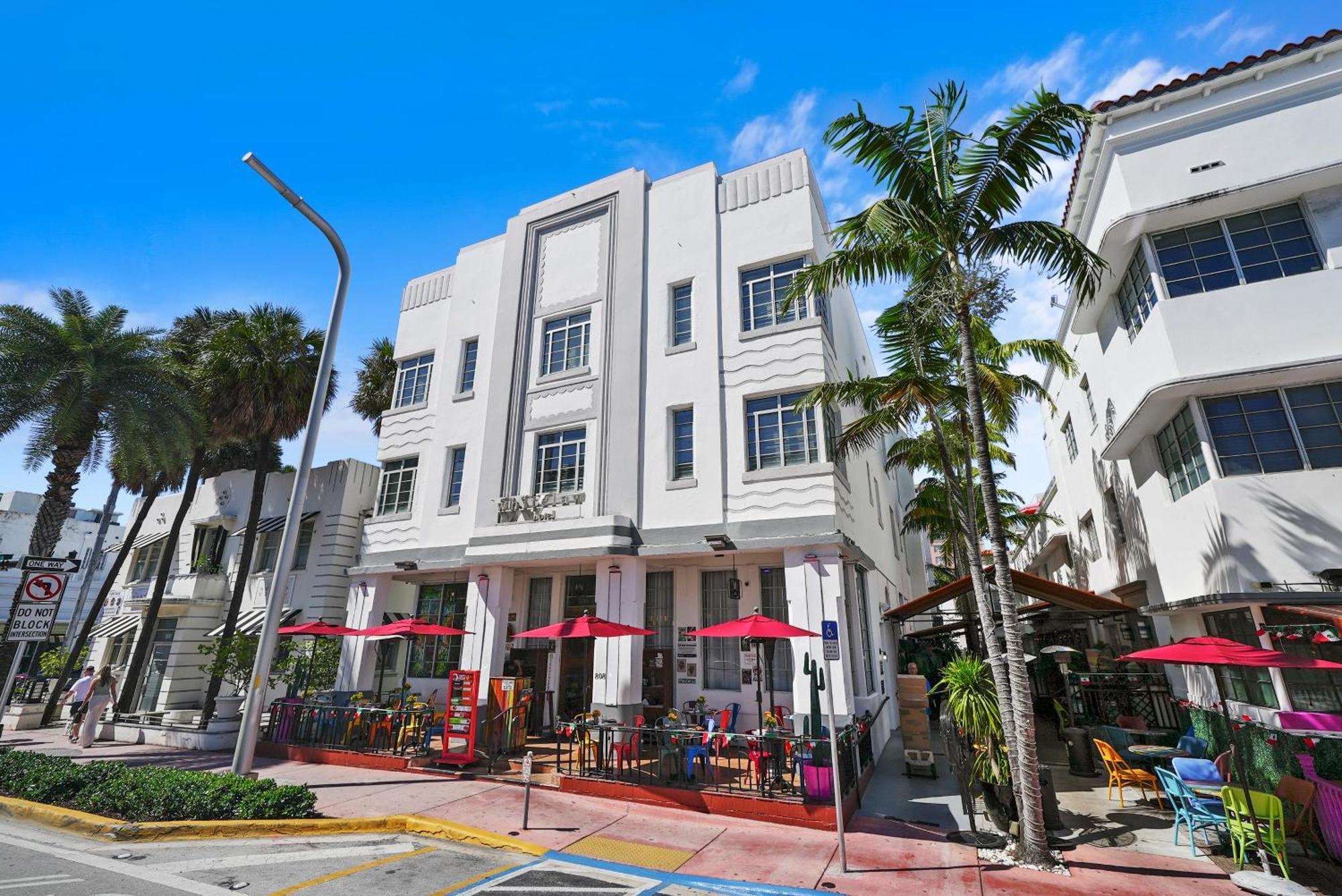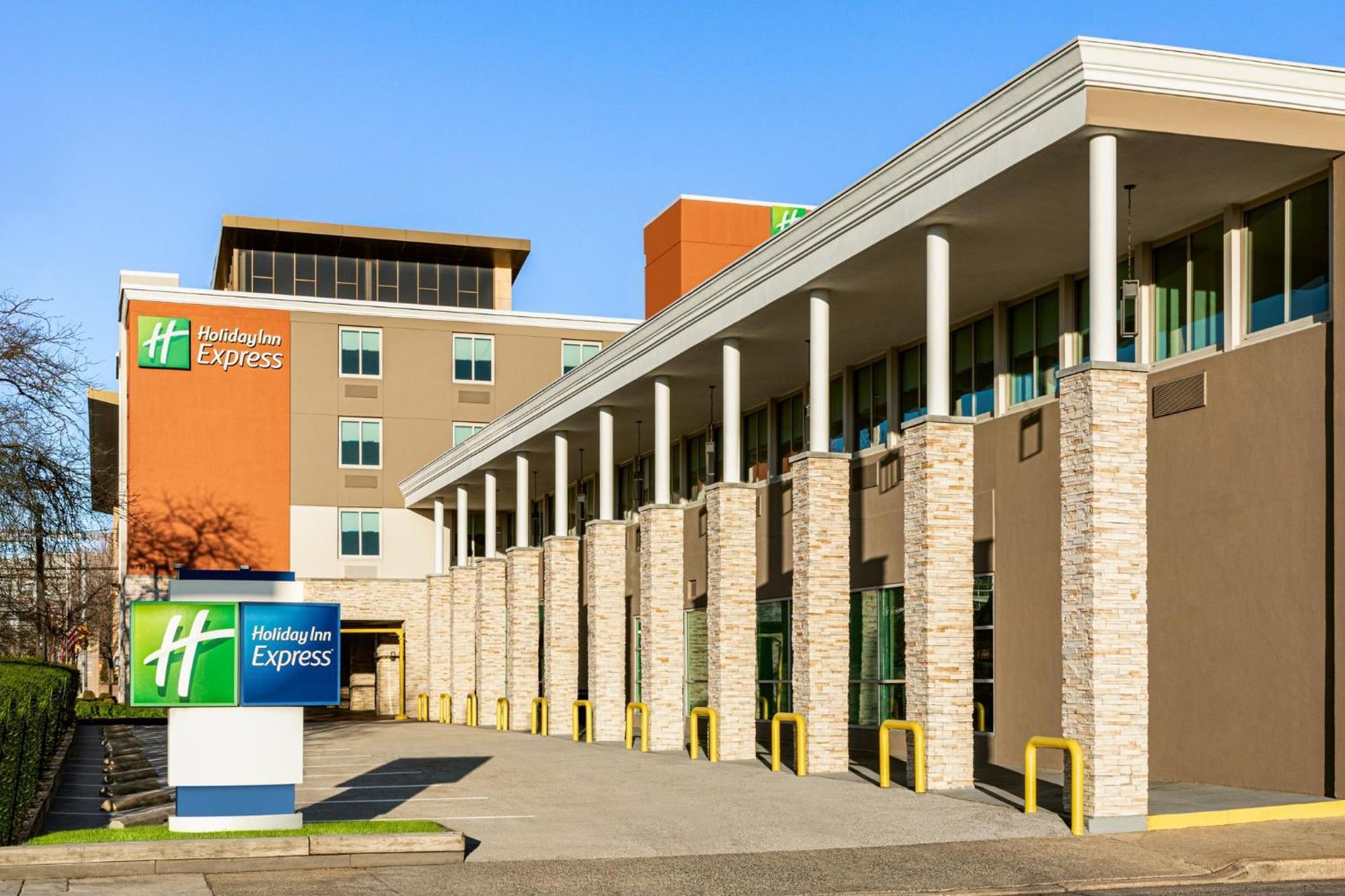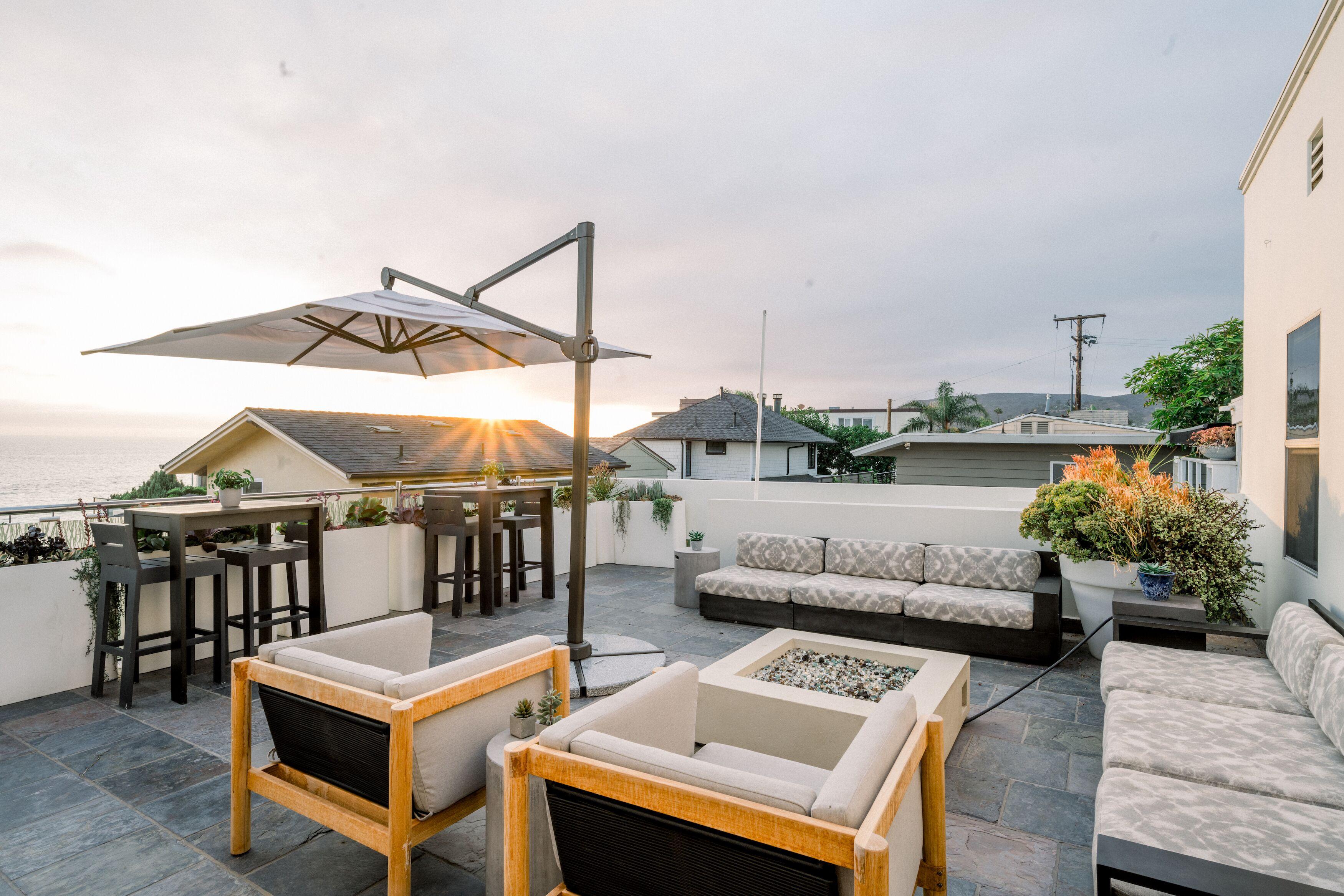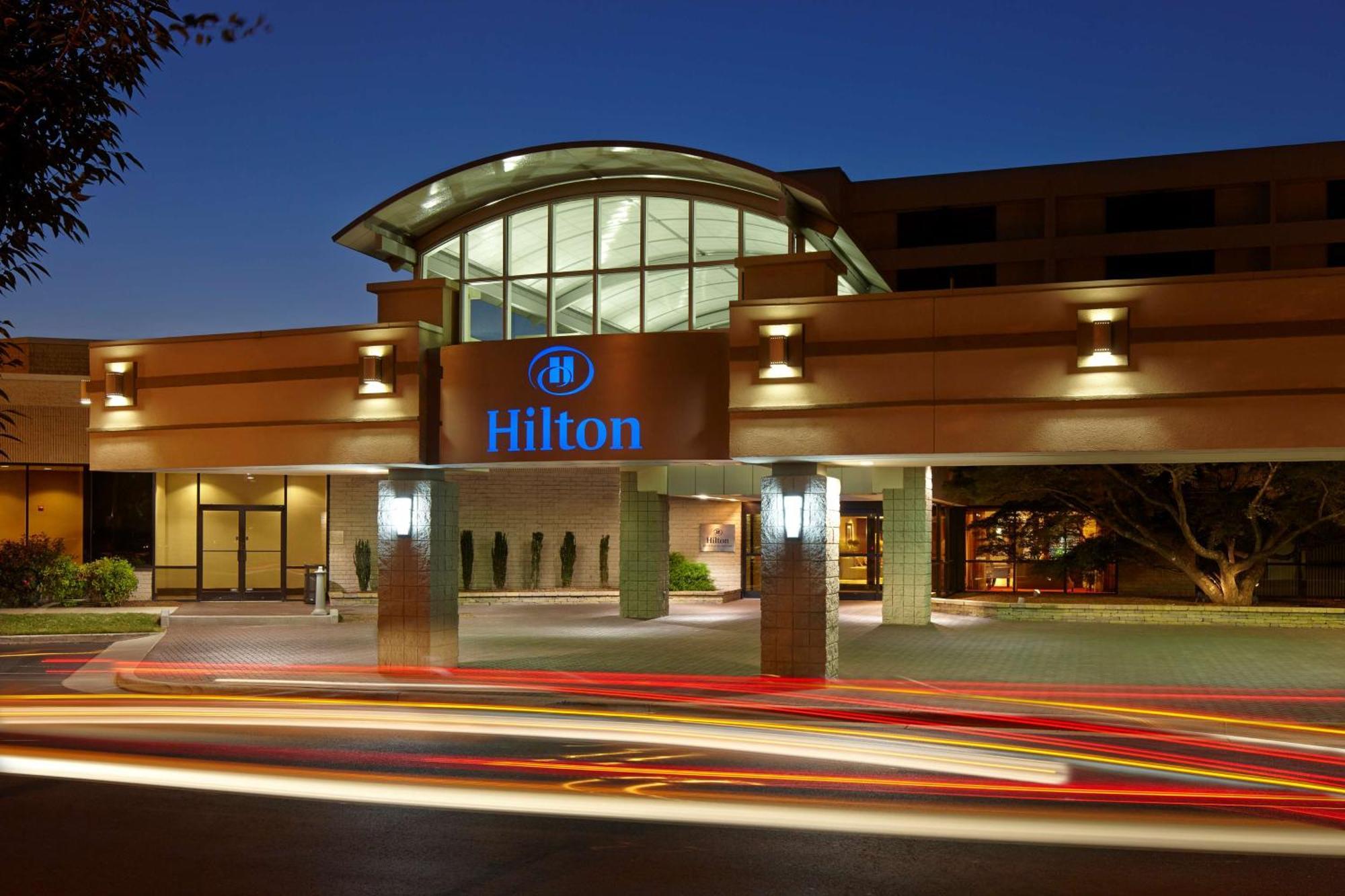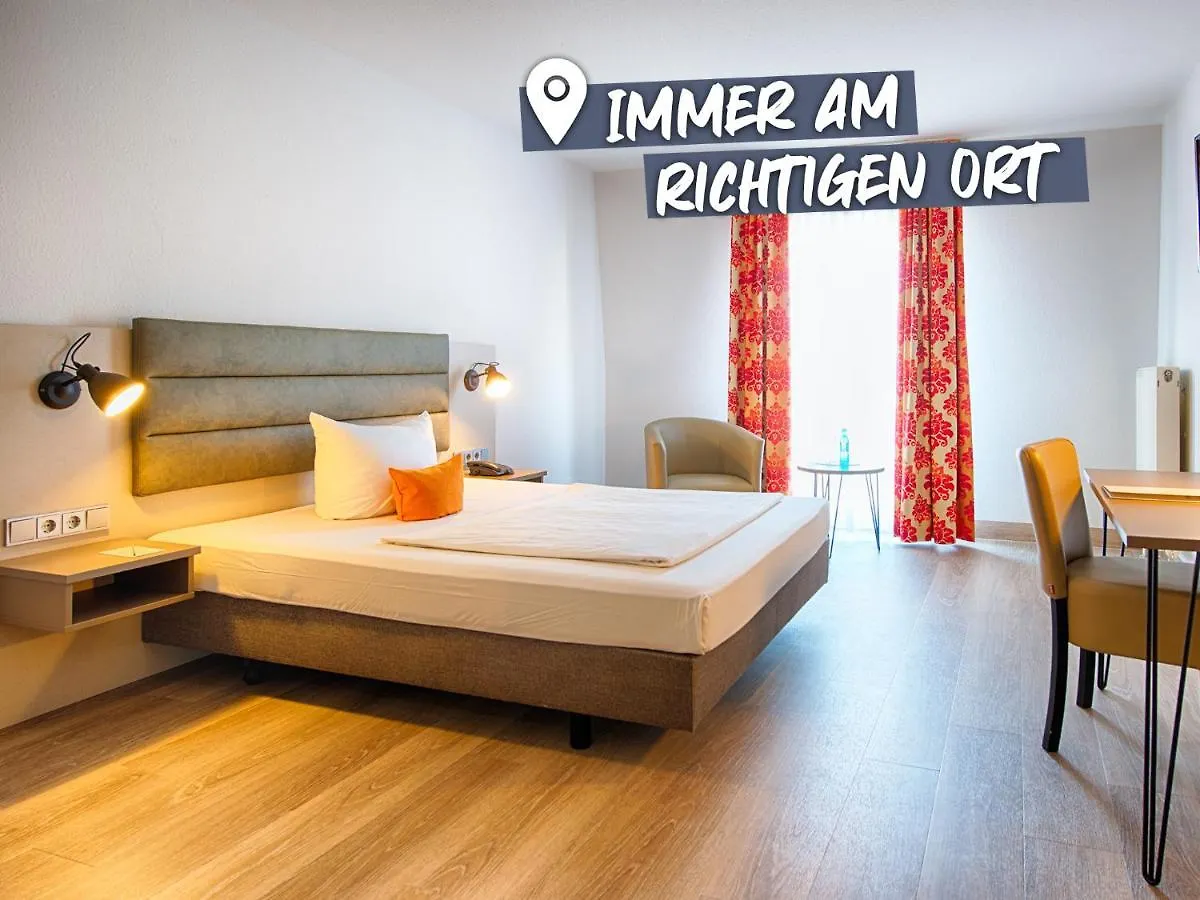
Saxony is one of Germany's most architecturally layered states, where Baroque city centres, industrial heritage towns and forested mountain resorts sit within a few hours of each other. Whether you're exploring the UNESCO-listed Görlitz Old Town, visiting Zwickau for its Robert Schumann or August Horch heritage, or heading into the Erzgebirge for skiing on Fichtelberg, the design hotels across the region reflect these distinct local identities - far removed from the standardised look of chain hotels in larger German cities.
What It's Like Staying in Saxony
Saxony is a compact but genuinely diverse destination: Dresden, Leipzig, Chemnitz and a string of smaller towns are all well connected by regional rail, while the Erzgebirge mountains and the Zittau Hills offer a completely different pace. The state's transport network is among the most functional in eastern Germany, with direct train links between major cities running frequently throughout the day. Visitor crowds are concentrated in Dresden and, to a lesser extent, Leipzig, leaving Zwickau, Görlitz, Zittau and the mountain resorts noticeably quieter - which is precisely why design-conscious travellers who prioritise atmosphere over convenience often prefer these secondary stops.
Saxony rewards travellers who move around rather than base themselves in one place. A stay in the Erzgebirge feels entirely different from one in Görlitz's Silesian Old Town, and prices outside Dresden and Leipzig run around 30% lower for comparable quality. Urban stays suit culture and history travellers; mountain and rural stays suit hikers, skiers and those seeking slower itineraries.
Pros:
- Strong regional rail connections between cities and towns make multi-destination itineraries practical without a car
- Secondary cities like Görlitz and Zwickau offer genuine architectural character with far fewer tourists than Dresden
- The Erzgebirge provides winter skiing and summer hiking from the same base, extending the region's appeal year-round
Cons:
- Some smaller towns have limited evening dining and nightlife options beyond the hotel itself
- Getting between the mountain resorts and the main urban centres can take over 90 minutes by public transport
- English signage and English-speaking staff become less reliable the further you travel from Dresden and Leipzig
Why Choose Design Hotels in Saxony
Design hotels in Saxony don't follow a single aesthetic - they tend to respond to their specific local context, whether that's Saxon Baroque detailing in a city centre property, rustic Erzgebirge craftsmanship in a mountain hotel, or the kind of clean-lined Central European modernism found in Görlitz's restored Old Town buildings. This contextual approach to design is what separates the best properties here from generic business hotels at similar price points. Room sizes in Saxony's design-focused hotels are generally more generous than equivalents in Munich or Hamburg, partly because real estate costs outside Dresden remain lower.
The category spans a practical price range: well-positioned city-centre design hotels in Zwickau or Görlitz typically cost significantly less than comparable properties in western German cities, while mountain properties like those near Fichtelberg include facilities - indoor pools, fitness centres, ski storage - that would push prices much higher in Alpine resorts. Breakfast quality is notably strong across the category, with several properties rated highly on this specifically. The main trade-off is that some of these hotels are located slightly outside immediate city centres, meaning a short taxi or tram ride may be needed for evening dining.
Pros:
- Contextually designed interiors that reflect Saxony's specific architectural and cultural heritage rather than generic hotel aesthetics
- More competitive pricing than equivalent design-led hotels in western German cities, with larger average room sizes
- Included or high-quality breakfast offerings are a consistent feature across the category in this region
Cons:
- Some properties sit 1-2 km from city centres, requiring transport for evening activities
- Fewer design hotel options exist in smaller Saxon towns, limiting choice if you're committed to a specific location
- Mountain resort design hotels depend heavily on seasonal appeal - facilities like pools and ski storage lose value in shoulder seasons
Practical Booking & Area Strategy
In Saxony, where you stay shapes your experience as much as how long you stay. Görlitz and Zwickau are the strongest bases for history-focused travellers who want walkable Old Town access without Dresden's tourist density - both cities are well connected by regional rail to Dresden (around 1.5 hours) and to each other via Bautzen. For outdoor-oriented trips, Kurort Oberwiesenthal in the Erzgebirge is the highest town in Germany and the starting point for Fichtelberg skiing and hiking, but it sits at the end of a scenic narrow-gauge railway and requires planning around limited departure times. Zittau is the gateway to the Zittau Mountains and the Lusatia region, with a zoo, cycling routes and proximity to the Polish and Czech borders - making it a genuinely cross-border base. Book at least 6 weeks ahead for the Christmas and winter ski season, when Erzgebirge properties fill quickly and prices across Saxony increase noticeably. Key attractions across the region include the Zwickau August Horch Museum (birthplace of Audi), the UNESCO World Heritage Görlitz townscape, the Fichtelberg cable car, and the Zittau Mountains' cross-border hiking trails along the Lusatian Neisse.
Best Value Stays
These properties offer strong design character and practical facilities at competitive price points across Saxony's secondary cities and the Zittau region.
-
1. Achat Hotel Zwickau
Show on map


 Check-infrom 15:00 until 22:30Check-outfrom 06:00 until 11:00
Just a few rooms left at the best rate!
from€ 75
-
2. Hotel Riedel
Show on map


 Check-infrom 14:00 until 20:00Check-outfrom 07:00 until 10:00
Just a few rooms left at the best rate!
from€ 92
-
3. Hotel Via Regia - Vias-Hotels
Show on map


 Check-infrom 14:00 until 22:00Check-outfrom 06:00 until 11:00
Hurry – almost gone at this price!
from€ 93
Best Premium Stays
These two properties offer elevated facilities, stronger in-house dining programmes and notable design features that justify a higher nightly rate within the Saxony context.
-
4. First Inn Hotel Zwickau
Show on map


 Check-infrom 14:00 until 23:59Check-outfrom 06:00 until 11:00
Hurry – almost gone at this price!
from€ 71
-
5. Ahorn Hotel Am Fichtelberg
Show on map


 Check-infrom 16:00 until 23:59Check-outuntil 11:00
Rooms filling fast – secure the best rate!
from€ 93
Smart Travel & Timing Advice for Saxony
Saxony has two distinct peak seasons that affect both availability and pricing in opposite parts of the state. The Erzgebirge mountain hotels - particularly around Fichtelberg - fill rapidly from late November through February, driven by domestic German ski tourism and the region's famous Christmas market tradition; book mountain properties at least 8 weeks ahead during this window. Urban properties in Zwickau and Görlitz see their highest demand during summer (June to August) when Old Town walking, cycling and cross-border day trips to Poland and the Czech Republic peak, though prices remain more moderate than Dresden equivalents. Görlitz in particular draws film tourism year-round following its use as a shooting location, which can create unexpected midweek demand spikes. The shoulder seasons of April to May and September to October offer the strongest price-to-experience ratio across the state: the Zittau Mountains and Erzgebirge are accessible for hiking, Old Town crowds are manageable, and last-minute availability is realistic outside the Christmas and ski-season window. A minimum of 2 nights is practical for any single base given travel time between Saxon locations; 3 nights allows meaningful exploration without rushed logistics.