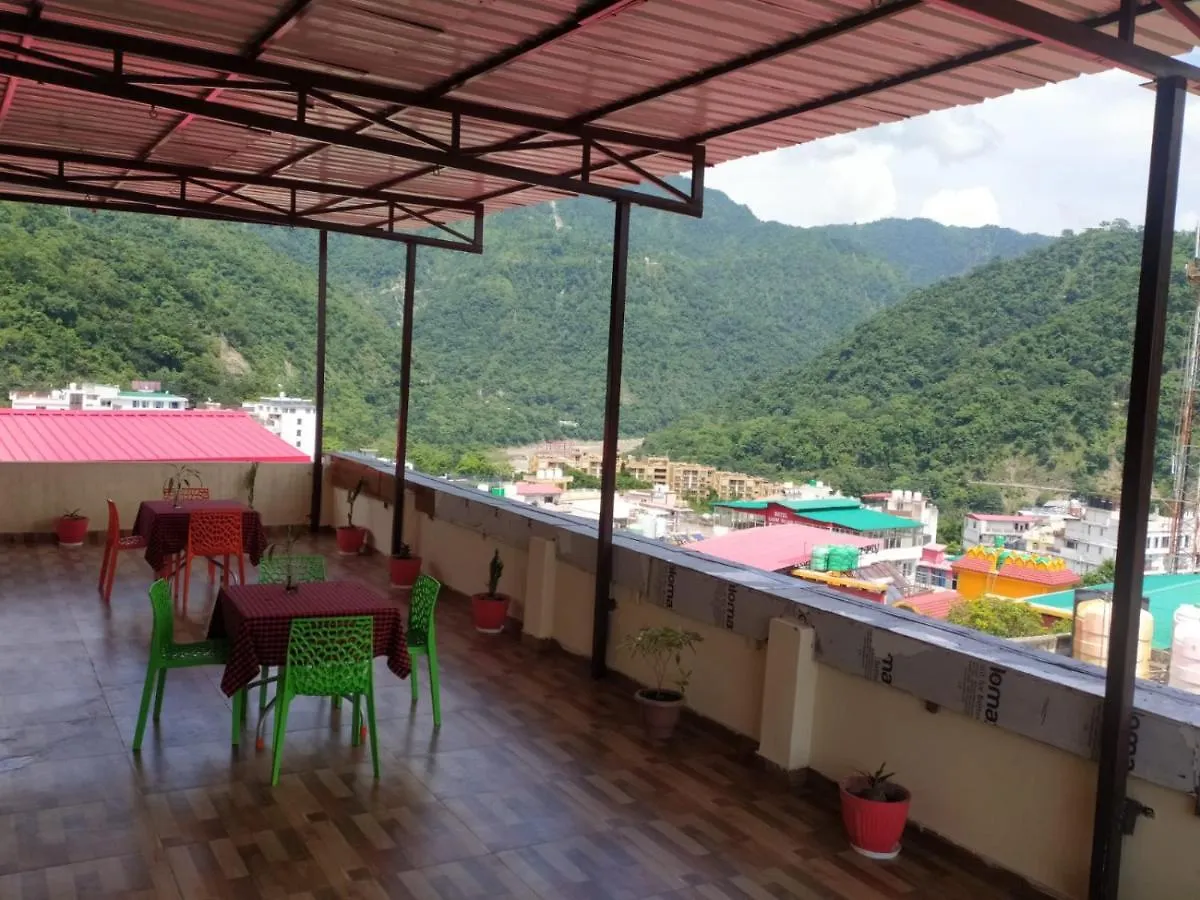
The River Rafting zone in Rishikesh - centered around Laxman Jhula and the Tapovan stretch - is where most action-seekers, yoga pilgrims, and first-time Rishikesh visitors end up staying. This guide compares 5 three-star hotels in this specific corridor, breaking down what each actually offers in terms of location, room quality, and value before you book.
What It's Like Staying in the River Rafting Zone of Rishikesh
The River Rafting district in Rishikesh runs primarily along the Tapovan and Laxman Jhula stretch of the Ganges, where rafting launch points, ashrams, and guesthouses sit within walking distance of each other. Laxman Jhula is the gravitational center of this area - crossing it on foot puts you within minutes of cafés, yoga centers, and the main rafting operators without needing any transport. Most properties here sit on narrow lanes or hillside roads, meaning auto-rickshaws can't always reach the door, and guests often carry luggage on foot for the last 100-200 meters.
The neighborhood runs on an early schedule driven by yoga and rafting - most rafting departures leave before 9 AM, and the main bazaar streets near Laxman Jhula quiet down well before midnight. Crowd density peaks between October and March, when both the rafting season and the yoga festival calendar overlap, making advance booking essential.
Pros:
- Walking access to Laxman Jhula, Himalayan Yog Ashram, and Patanjali International Yoga Foundation without needing a vehicle
- Rafting operators, equipment rentals, and pre-booking desks are concentrated within this corridor
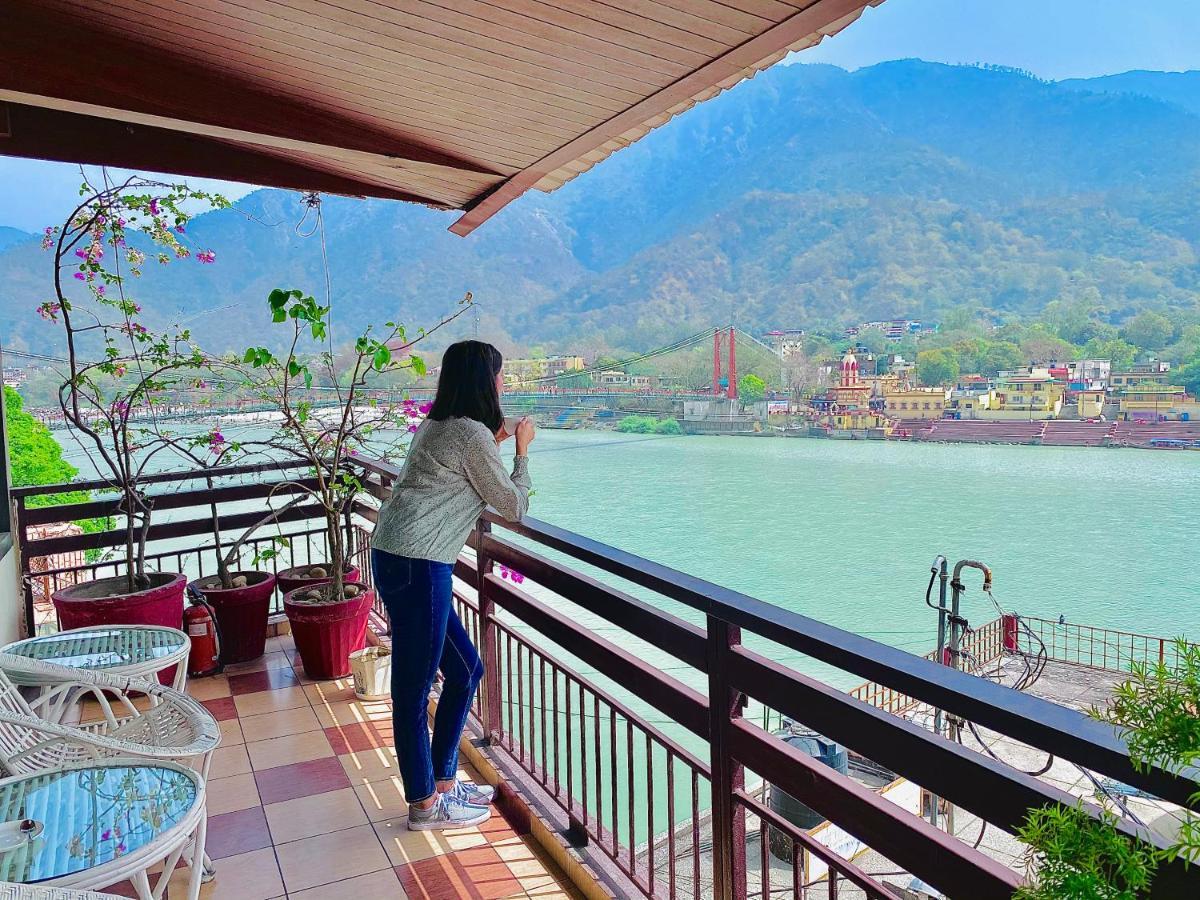
- Riverside-facing rooms in this zone offer Ganges views that properties further into the city cannot match
Cons:
- Narrow lanes and temple proximity mean morning bell sounds and street noise start as early as 5 AM
- Luggage handling can be inconvenient as vehicles cannot access several guesthouses directly
- Accommodation options at the budget end fill up fast during peak season, leaving last-minute bookers with fewer choices
Why Choose 3-Star Hotels in the River Rafting Zone of Rishikesh
Three-star hotels in the Tapovan-Laxman Jhula corridor occupy a practical middle ground that budget guesthouses and riverside ashram rooms cannot match - specifically in terms of air conditioning, private bathrooms, and structured breakfast service. Unlike budget accommodation in this zone, 3-star properties here generally provide 24-hour front desks, room service, and airport transfer options, which matter when early rafting schedules mean pre-dawn departures. Prices at 3-star level in this district average around 30% less than equivalent-rated hotels in Rishikesh's city center near Triveni Ghat, partly because the Tapovan zone is less commercialized for business travel.
Room sizes at this tier are functional rather than spacious - expect rooms that accommodate two guests comfortably but won't offer the living-area square footage of luxury properties. The real differentiator here is positioning: a 3-star hotel within 1 km of Laxman Jhula saves you daily transport costs and waiting time that lower-positioned properties cannot offset.
Pros:
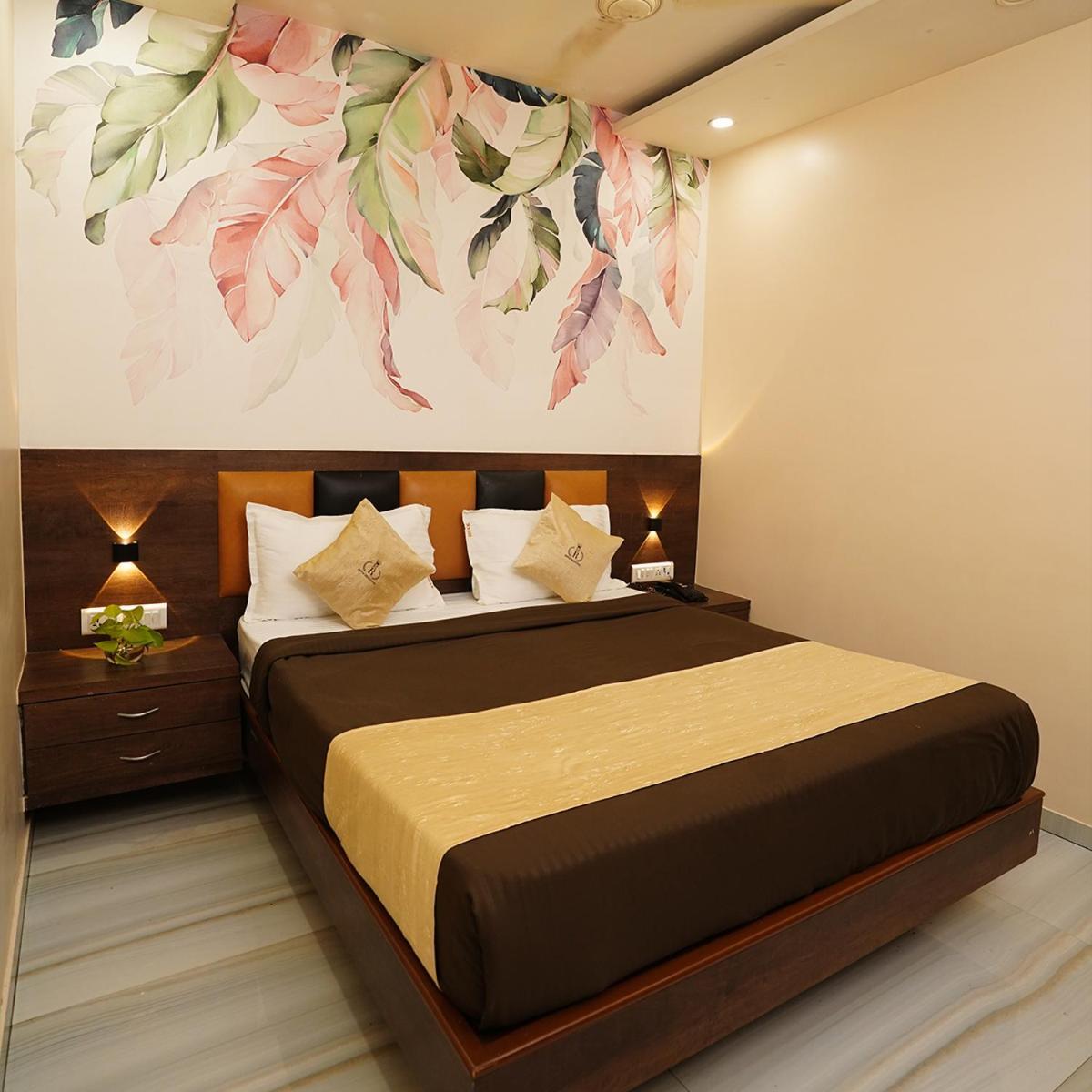
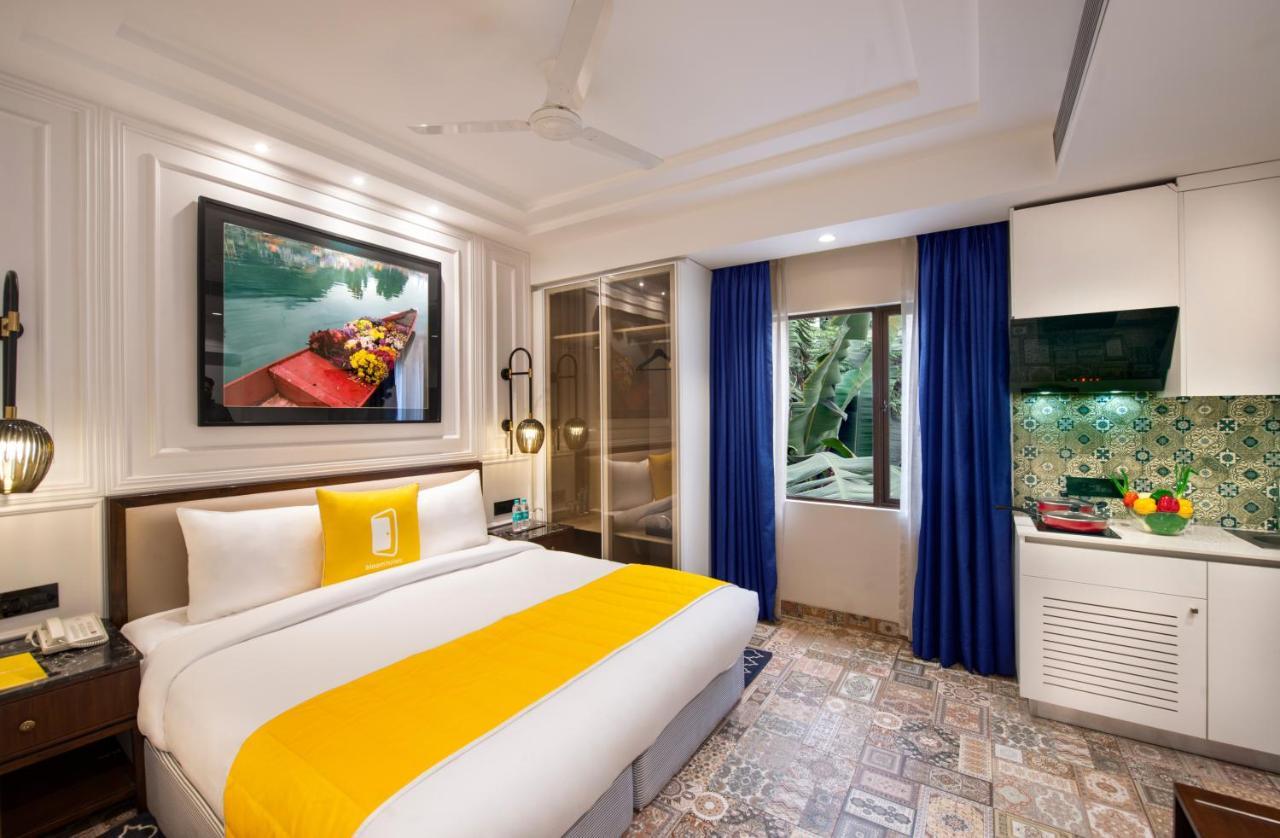
- Air-conditioned rooms with private bathrooms and flat-screen TVs are standard, unlike many ashram-style stays in this zone
- Structured breakfast options - including continental and vegetarian - remove the daily hassle of finding morning meals near rafting departure times
- Free private parking is available at most 3-star options here, relevant for travelers arriving by road from Delhi or Dehradun
Cons:
- Room sizes are modest, typically compact doubles without living areas or dedicated workspaces
- Seasonal outdoor pools (where available) are not operational year-round, limiting this amenity to summer months
- Noise insulation varies - rooms facing the main lane can pick up street and temple sounds from early morning
Practical Booking & Area Strategy for the River Rafting Zone
The strongest positioning in this zone is along the Tapovan-Laxman Jhula Road, where you stay within a short walk of the main suspension bridge and the Himalayan Yog Ashram - two landmarks that anchor daily movement for most visitors. Properties on Badrinath Road closer to Ram Jhula offer slightly quieter surroundings and are a roughly 17-minute walk to Laxman Jhula, which suits travelers who want ashram access without peak-zone congestion. Dehradun Airport is around 20 km away, and most 3-star hotels in this corridor offer paid airport shuttle services, which is worth factoring into your total cost versus hiring a private taxi.
For the Ganges rafting season - October through May - book at least 6 weeks in advance to secure rooms with balconies or Ganges-facing views, as these are the first to fill. The area around Patanjali International Yoga Foundation and Himalayan Yog Ashram draws a second wave of visitors in February and March for yoga teacher training intakes. Triveni Ghat is around 5 km south and requires a short auto-rickshaw or taxi ride from most properties in this zone, so factor that in if evening aarti attendance is a priority for your itinerary.
Best Value Stays in the River Rafting Zone
These three-star properties offer strong location credentials near Laxman Jhula and the rafting corridor at a price point that keeps daily costs manageable, particularly for travelers combining rafting, yoga, and multi-day Rishikesh exploration.
-
1. Hotel The Shivaay - Delight Inn Rishikesh
Show on map


 Check-infrom 13:00 until 23:59Check-outfrom 05:00 until 11:00
Just a few rooms left at the best rate!
fromINR 3994
-
2. Perfectstayz Value Hills Near Laxman Jhula
Show on map


 Check-infrom 13:00 until 23:30Check-outfrom 08:00 until 11:00
Just a few rooms left at the best rate!
fromINR 3614
-
3. Mvt Guesthouse & Restaurant
Show on map


 Check-infrom 13:00 until 23:59Check-outfrom 10:00 until 11:00
Hurry – almost gone at this price!
fromINR 3899
Best Premium Stays in the River Rafting Zone
These properties stand out within the 3-star tier for better-defined amenities, breakfast quality, and positioning relative to key rafting and yoga landmarks along the Tapovan-Laxman Jhula stretch.
-
4. Bedzzz Rishikesh By Leisure Hotels
Show on map


 Check-infrom 14:00 until 22:00Check-outfrom 07:00 until 11:00
Rooms filling fast – secure the best rate!
fromINR 3138
- Show on map
Best price guarantee
Smart Travel & Timing Advice for the River Rafting Zone
The River Rafting corridor in Rishikesh operates on a clearly defined seasonal rhythm. October through March is peak season - the Ganges water levels are safe for commercial rafting, temperatures are manageable, and yoga retreat intakes from international centers like Himalayan Yog Ashram run simultaneously. This overlap drives occupancy in the Tapovan-Laxman Jhula zone to near-full capacity, and 3-star rooms with balconies or river-adjacent positioning are typically booked out well ahead. Monsoon season (July through September) brings white-water conditions that make commercial rafting off-limits, and several smaller properties reduce operations or close temporarily during this period.
For travelers with flexibility, November and February offer the best balance of availability, weather, and activity access. A stay of 3 nights gives you enough time to complete a multi-day rafting stretch (such as the 36 km Marine Drive run), attend morning yoga, and visit Triveni Ghat for the evening aarti without feeling rushed. Book at least 5 weeks ahead for October, December, and the February yoga training intake period - these are the three windows when last-minute availability in 3-star properties near Laxman Jhula becomes genuinely limited.