Mandrem Beach sits in North Goa's quieter Pernem district, offering a dramatically different pace from Baga or Calangute - no thumping beach clubs, no vendor crowds every 10 meters. The beach itself is wide, relatively uncrowded by Goan standards, and flanked by cashew groves and the Mandrem Creek estuary. If you're choosing a beach hotel here, you're trading nightlife proximity for direct sand access and genuine quiet - a trade-off that defines the entire stay.
What It's Like Staying in Mandrem Beach
Mandrem Beach functions as a low-density coastal strip where most hotels sit within a 5-minute walk of the water, and the nearest town center - Mandrem village - is around 2 km inland. There are no main roads cutting through the beachfront, which keeps noise levels low even during peak season in December and January. Transport options are limited to rented scooters, auto-rickshaws, and occasional cab services - there is no local bus service running directly to the beach strip.
Staying here means you are largely self-contained: restaurants, beach shacks, and small shops are walkable, but day trips to Anjuna Market or Chapora Fort require arranging transport in advance. The crowd profile skews toward long-stay travelers, yoga retreat visitors, and couples seeking low-stimulation coastal stays rather than short-weekend partygoers.
Pros:
- Beachfront is genuinely uncrowded compared to South Mandrem and central Goa beaches
- Most beach hotels are within walking distance of the shore, eliminating the need for daily transport to the beach
- Quieter nights mean better sleep quality without earplugs - a real differentiator from Baga or Anjuna stays
Cons:
- No Uber or Ola availability in this zone - transport must be pre-arranged or hotel-assisted
- Limited dining variety outside of resort restaurants and beach shacks within walking range
- Mandrem Beach is around 70 km from Dabolim Airport, making arrival transfers long and often expensive
Why Choose a Beach Hotel in Mandrem Beach
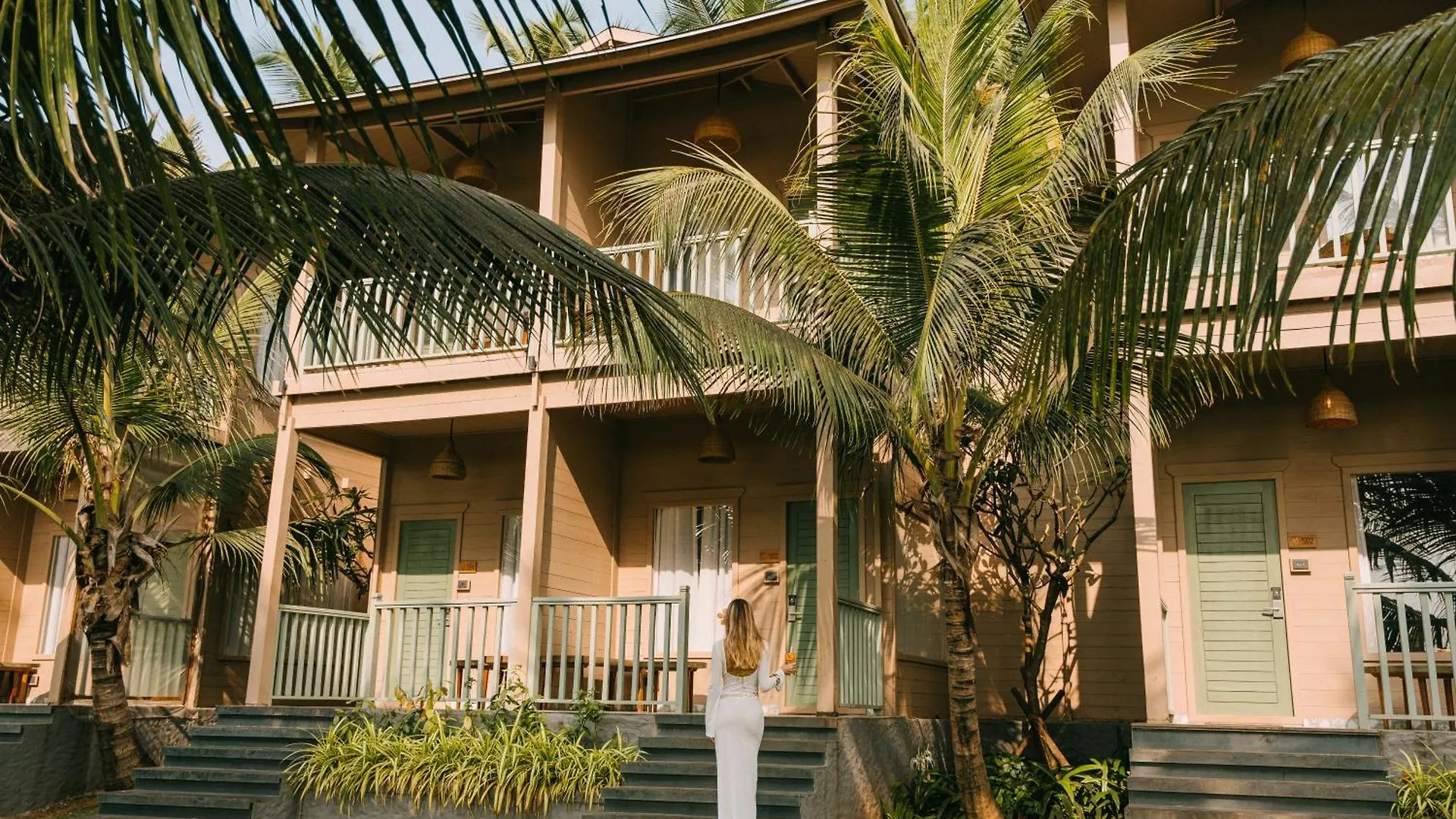
Beach hotels in Mandrem sit almost exclusively on or directly adjacent to the shoreline, meaning sea-view rooms and private beach areas are standard features rather than premium upgrades at most properties. Unlike beachfront hotels in Candolim or Calangute, where 'sea view' can mean a partial glimpse between buildings, Mandrem's lower hotel density means genuine unobstructed ocean views are more achievable at mid-range price points. Room sizes in beach resorts here tend to be cottage-style or standalone unit formats, offering more square footage than comparable city hotels at the same price.
The trade-off is infrastructure: beach hotels in Mandrem typically have one or two on-site restaurants, limited bar options, and spa facilities that serve as the primary evening entertainment. Rates during peak December-January season can climb significantly, so properties with included breakfast and private beach access represent better consolidated value than unbundled options.
Pros:
- Private beach areas and direct sand access are standard at most Mandrem beach hotels, not premium add-ons
- Cottage-format rooms offer more living space than tower-block hotel rooms at comparable Goa coastal rates
- On-site spas and pools reduce dependence on external facilities in a zone with limited commercial infrastructure
Cons:
- On-site dining is often the only realistic option for dinner, limiting culinary variety during multi-night stays
- Properties with fewer than around 30 rooms may have limited facilities like airport shuttles or luggage storage
- Peak season availability fills fast - last-minute bookings in December often mean compromised room categories
Practical Booking & Area Strategy for Mandrem Beach
The strongest positioning within Mandrem Beach is along the beachfront lane running parallel to the shoreline north of Mandrem Creek - properties here have direct sand access without crossing a main road. Ashwem Beach, immediately adjacent to Mandrem's northern edge, shares the same low-density character and several hotels marketed as Mandrem-area properties are technically closer to Ashwem, which is worth checking at booking. For Goa's peak season from mid-December to mid-January, booking at least 8 weeks in advance is realistic for beach-facing room categories - popular properties sell out entirely for Christmas and New Year week.
Day trips from Mandrem to Chapora Fort (around 15 km) and Tiracol Fort (around 20 km) are manageable by scooter in under an hour. Arambol Beach, Goa's most northerly popular beach, sits roughly 2 km north of Mandrem and is reachable on foot along the shore at low tide. Renting a scooter from the hotel or a local shop near Mandrem village is the most efficient transport strategy - rates average significantly lower than relying on cabs for every trip. Manohar Parrikar International Airport in Mopa serves the North Goa zone and is considerably closer than Dabolim, cutting transfer times for travelers flying into the newer airport.
Best Value Beach Stays in Mandrem
These properties deliver direct beach access, on-site dining, and essential resort facilities at price points that represent strong value for Mandrem's beachfront zone, particularly for travelers prioritizing location and included amenities over luxury finishes.
-
1. Riva Beach Resort
Show on map


 Check-infrom 15:00 until 23:59Check-outuntil 11:00
Just a few rooms left at the best rate!
fromINR 6372
- Show on map
Best price guarantee
- Show on map
Best price guarantee
Best Premium Beach Stay in Mandrem
For travelers seeking elevated facilities, additional privacy, and a more complete resort experience without leaving the North Goa coastal strip, this property offers the strongest combination of amenities and beach positioning in the broader Mandrem-Morjim area.
-
4. Tan-N-Sand
Show on map


 Check-infrom 14:00 until 23:59Check-outuntil 11:00
Hurry – almost gone at this price!
fromINR 9320
Smart Travel & Timing Advice for Mandrem Beach
Mandrem Beach operates on a clear seasonal rhythm: the high season runs from mid-November through mid-January, when North Goa beach properties fill rapidly and room rates at beachfront hotels can be significantly higher than shoulder season prices. The Christmas and New Year period sees full occupancy across most properties - some resorts like Riva Beach Resort apply specific event-night charges, as noted for New Year's Eve - making booking at least 8 weeks ahead essential for this window. February and March offer a strong alternative: the weather remains dry, sea conditions are calmer than the monsoon months, crowds thin noticeably, and rates drop while facilities remain fully operational.
The monsoon season from June through September closes most beach-facing properties entirely, as the Arabian Sea becomes rough and beach access is restricted. A stay of 3 nights minimum makes logistical sense given the transfer distances from both Dabolim and Manohar Parrikar airports - arriving and departing on the same or next day wastes a disproportionate amount of travel time. For the optimal balance of beach quality, availability, and pricing, October and early November represent the clearest sweet spot before peak season pressure begins.