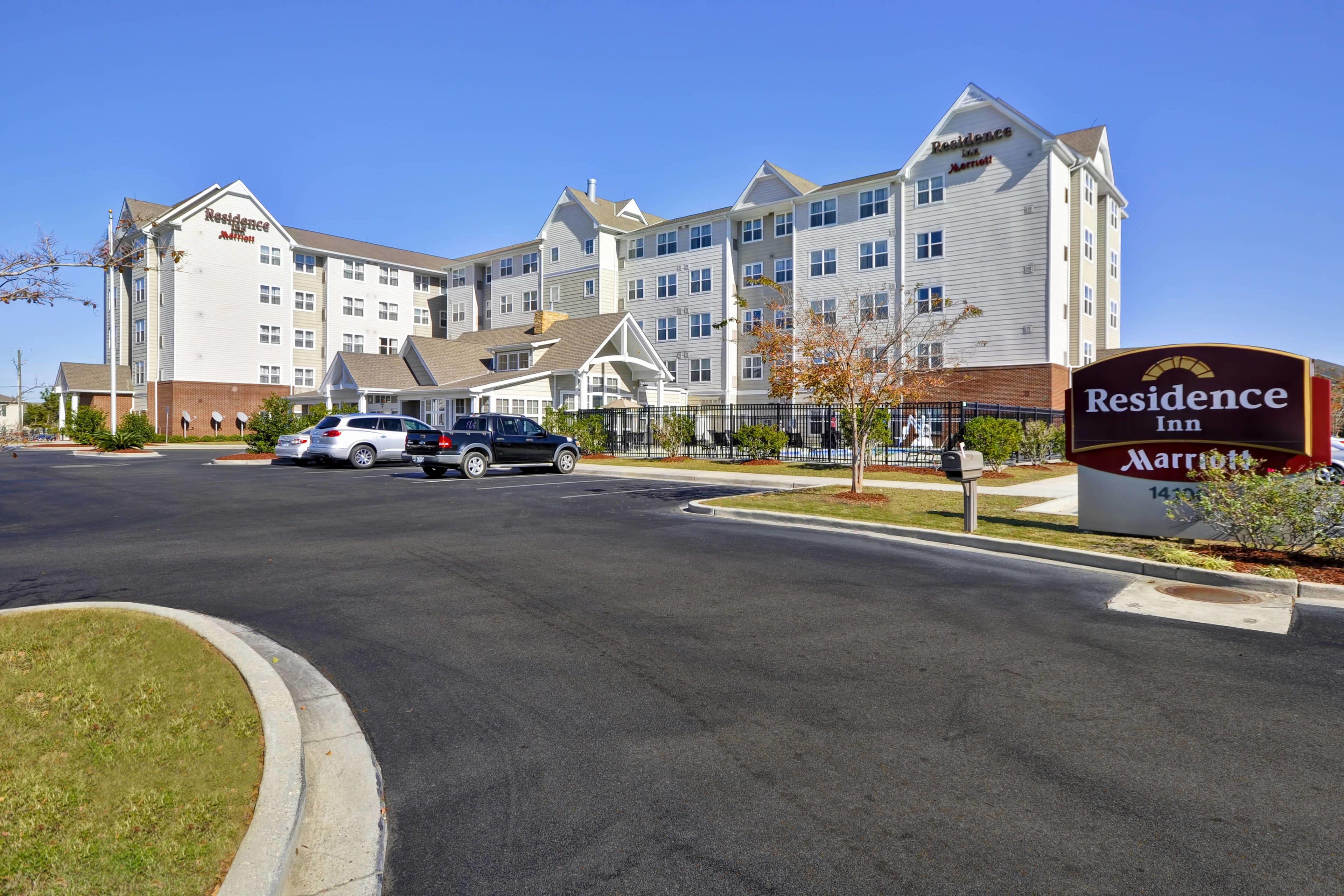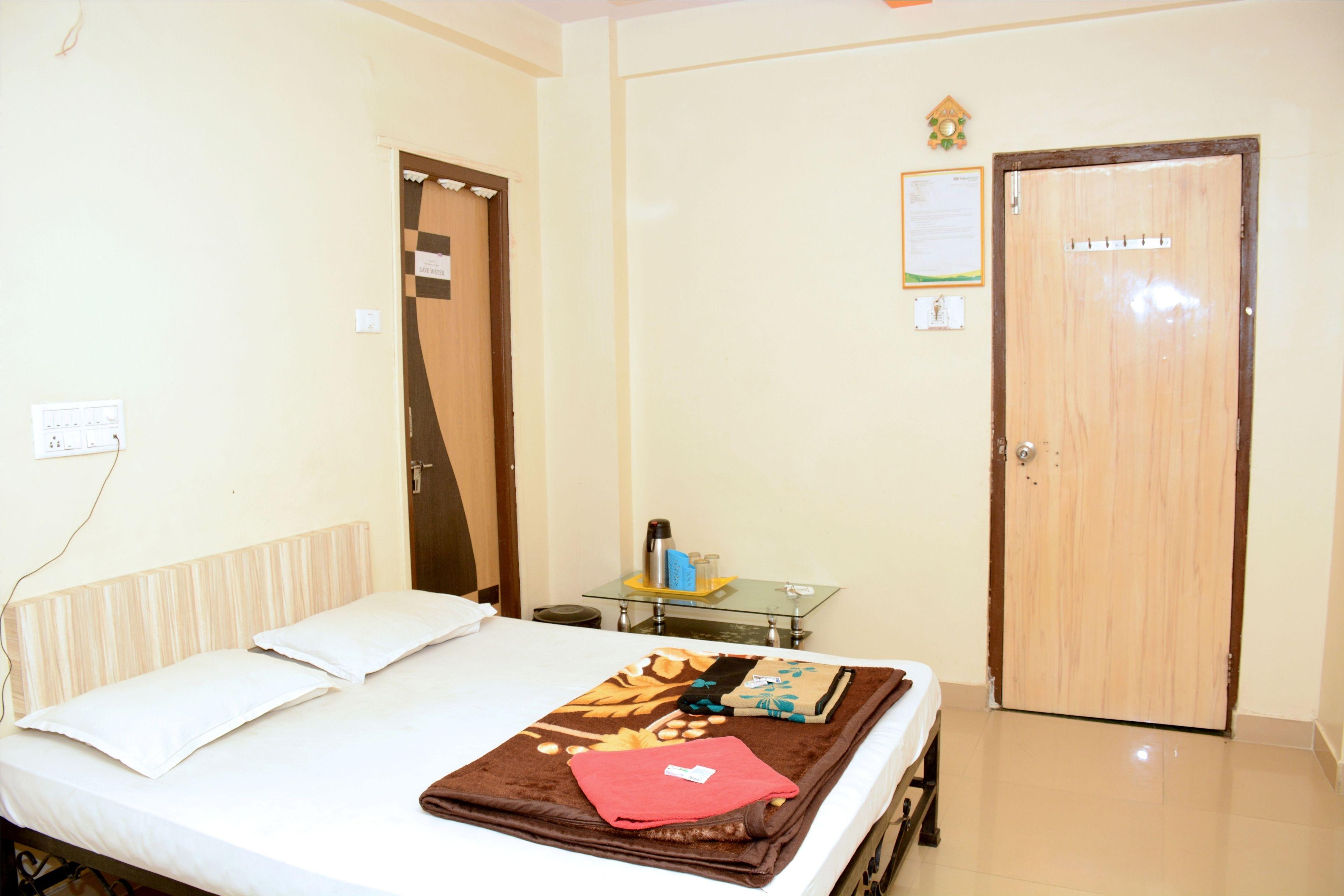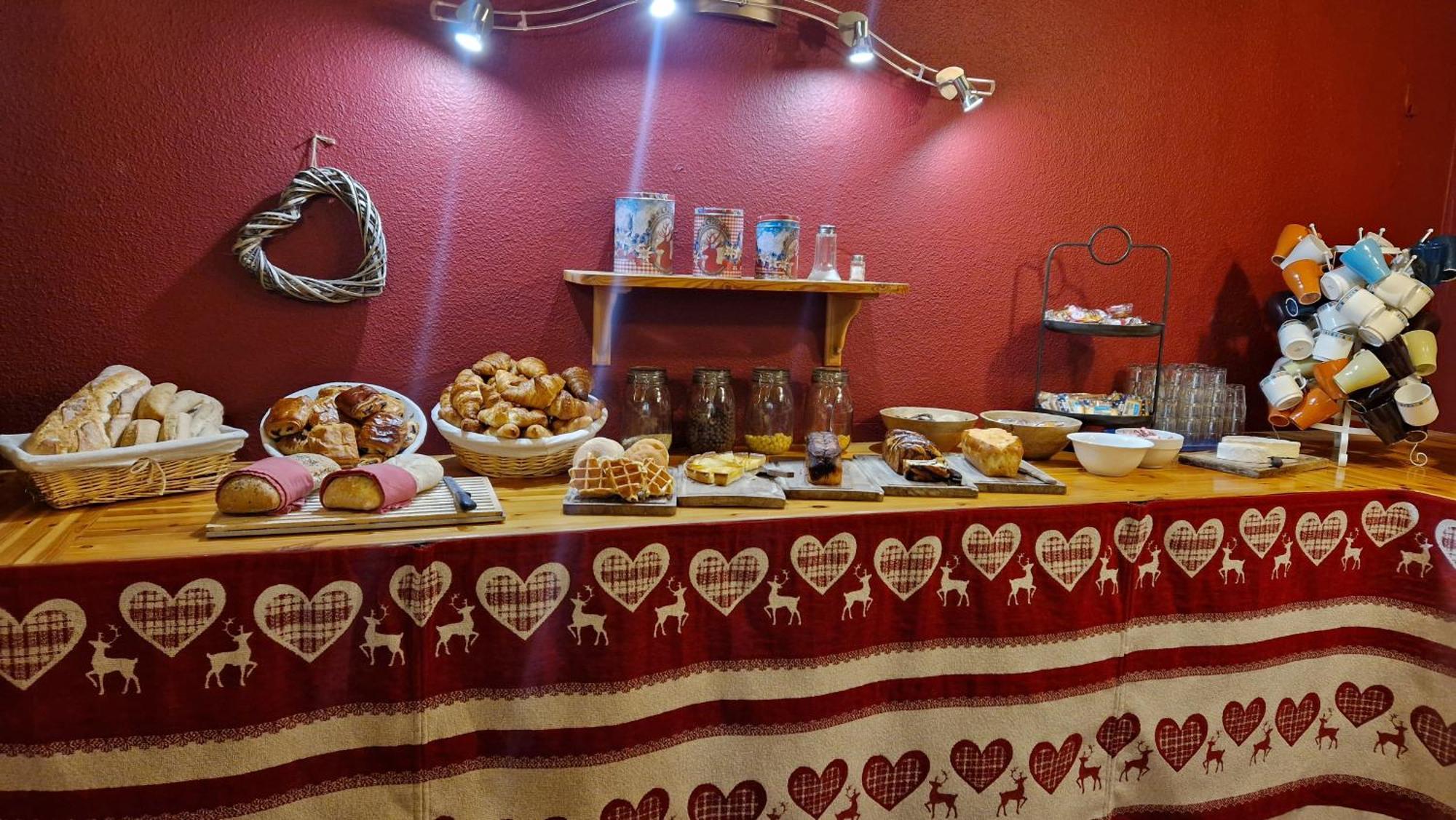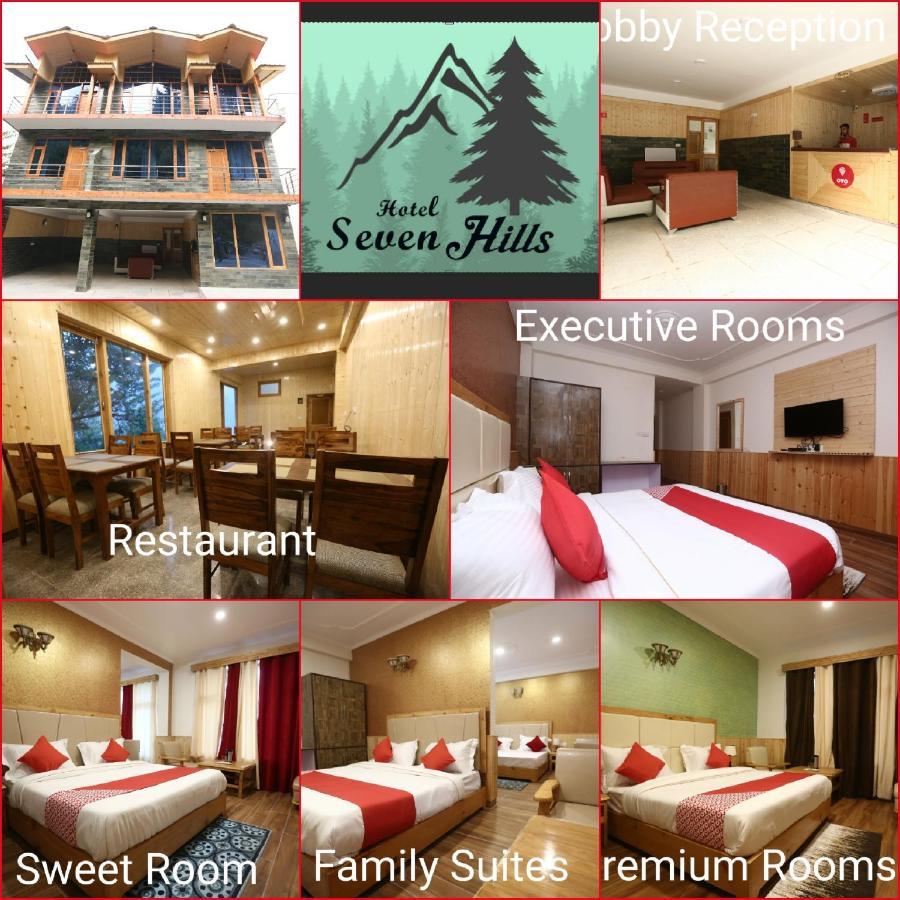
Franconia - the northern part of Bavaria - draws travelers with its medieval old towns, the Altmühltal Nature Park, Franconian wine country along the Main River, and the lakeland plateau around Gunzenhausen. Whether you're arriving by train into Würzburg or driving through the Thuringian Forest border, resort-style hotels here offer a distinctly regional experience: spa access, regional cuisine, and nature proximity that urban hotels in Munich or Nuremberg simply don't deliver at the same price point. This guide covers 4 resort hotels across Franconia to help you choose the right base for your trip.
What It's Like Staying in Franconia
Franconia is a region of contrasts - Würzburg's baroque architecture and wine taverns in the west, the Franconian Lake District's cycling routes and calm water reservoirs in the center, and the forested Thuringian border highlands in the north. Most resort properties sit outside major city centers, meaning you'll need a car or bike to reach local attractions efficiently. Crowd patterns shift sharply: summer weekends around the Altmühlsee and Brombachsee attract around 80% of the annual leisure visitors, while spring and autumn offer far quieter conditions with lower rates and accessible hiking.
Travelers who benefit most from staying here are those combining outdoor activities - cycling, wine touring, hiking - with a comfort-oriented base. City-first travelers who want walkable restaurant access may find some resort locations require planning.
Pros:
- Direct access to Franconia's cycling paths, lakes, and wine routes from most resort properties
- Regional cuisine (Franconian cuisine, Thuringian specialties) served on-site reduces the need to search for restaurants
- Substantially lower nightly rates compared to equivalent spa or wellness hotels in Munich or Nuremberg
Cons:
- Car dependency is high for most resort locations outside Würzburg
- Limited nightlife and urban dining within walking distance of lakeland and forest properties
- Peak summer weekends at the Franconian lakes can see full occupancy weeks in advance, limiting flexibility
Why Choose Resort Hotels in Franconia
Resort hotels in Franconia typically combine wellness infrastructure - saunas, indoor pools, fitness centers - with regional food and outdoor positioning that standard city hotels don't offer. A 4-star resort here generally costs around 40% less per night than a comparable wellness hotel in southern Bavaria, making it a high-value category for travelers who prioritize space and amenities over urban centrality. Room sizes in Franconian resort properties tend to be generous, often including balconies with countryside or forest views - a meaningful upgrade over the compact rooms typical of Nuremberg or Würzburg city-center hotels.
The key trade-off is access: most resort properties require a car, and dining outside the hotel on weekday evenings can mean limited options in smaller towns. That said, for families, couples on wellness breaks, and cyclists using Franconia's extensive trail network, the resort category delivers a value-to-experience ratio that's hard to match in this region.
Main advantages of resort hotels in Franconia:
- Spa and wellness facilities (sauna, indoor pool, fitness) included or easily accessible on-site
- Larger rooms and balcony options compared to urban properties in the same region
- On-site regional dining means fewer logistical decisions for guests in smaller towns
Main trade-offs in this specific zone:
- Car or bike required for most resort locations outside Würzburg city limits
- Limited late-night options outside the hotel in lakeland and forest areas
- Wellness facilities at smaller properties may not match the scale of purpose-built spa resorts
Practical Booking & Area Strategy
Franconia's resort hotels cluster in three distinct zones: the Franconian Lake District around Gunzenhausen (ideal for watersports and cycling), the Würzburg wine corridor along the Main (best for wine tourism and baroque sightseeing), and the Thuringian Forest fringe near Masserberg (best for hiking and winter stays). Würzburg is the most transport-connected base, reachable in around 70 minutes by ICE from Frankfurt, making it the only resort zone where a car is not strictly necessary. For the Altmühltal and Masserberg areas, driving is the practical default - and it opens up the Romantic Road, the Altmühl cycle path, the Würzburg Residence (a UNESCO World Heritage Site), and the medieval town of Rothenburg ob der Tauber, all within a half-day drive. Book resort stays at least 6 weeks ahead for July and August visits, particularly around the Altmühlsee and Brombachsee; spring and October offer shoulder-season pricing with comparable weather for outdoor activities.
Best Value Resort Stays
These properties offer strong resort facilities - wellness access, regional dining, parking - at rates that reflect Franconia's competitive positioning outside major Bavarian tourist hubs.
-
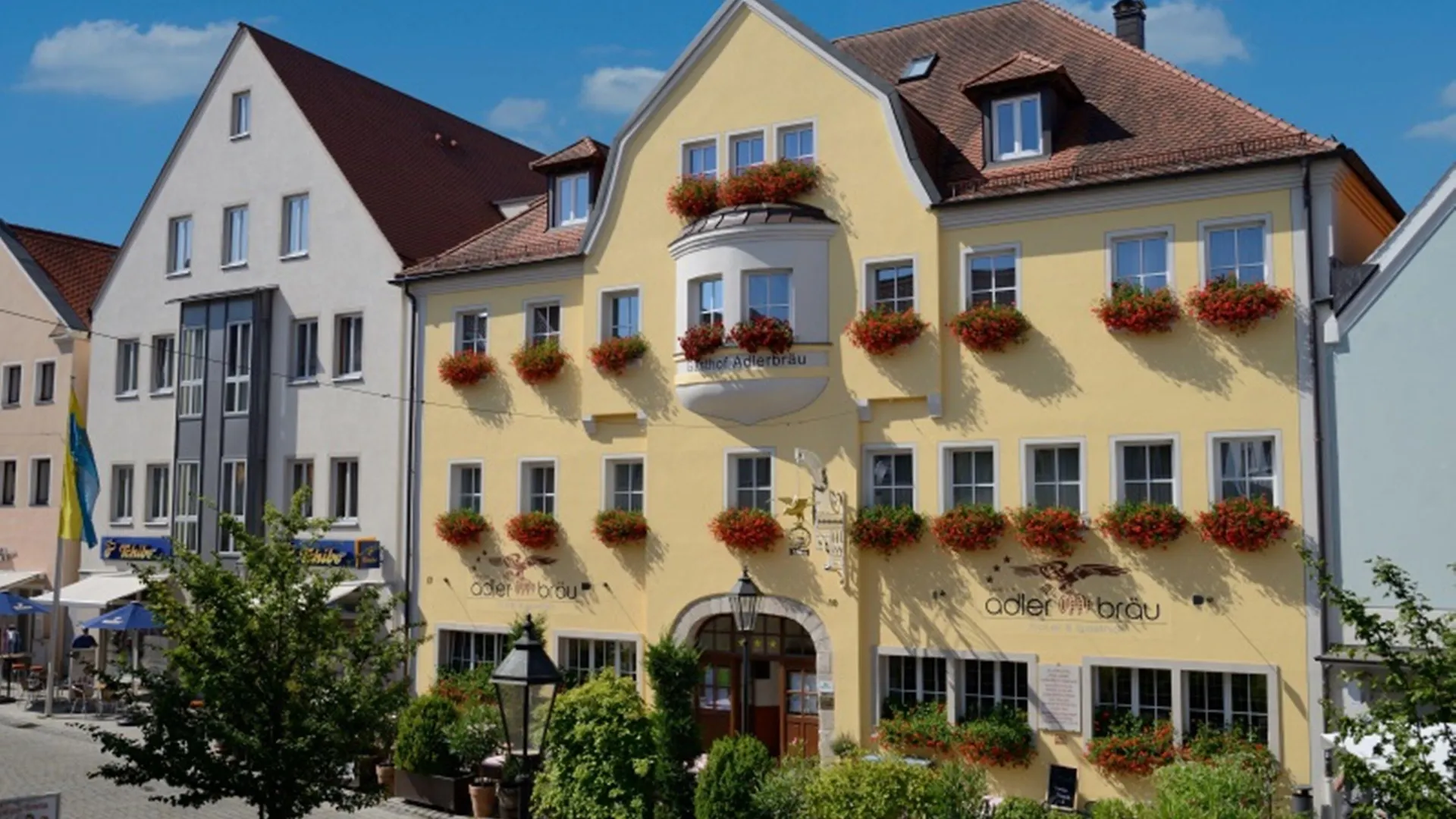
1. Hotel Adlerbraeu
Show on map


Just a few rooms left at the best rate!
fromUS$ 171
-
2. Weinhotel Rose
Show on map


Just a few rooms left at the best rate!
fromUS$ 167
Best Premium Resort Stays
These 4-star properties offer structured spa and wellness infrastructure, on-site dining, and the kind of room quality suited to longer stays or guests prioritizing comfort alongside Franconia's outdoor and cultural offer.
-
3. Hotel Melchior Park
Show on map


Hurry – almost gone at this price!
fromUS$ 127
-
4. Hotel Rennsteig
Show on map


Rooms filling fast – secure the best rate!
fromUS$ 102
Smart Travel & Timing Advice for Franconia Resorts
The Franconian Lake District peaks hard in July and August, when German families from across Bavaria and Baden-Württemberg fill the Altmühlsee and Brombachsee resorts. Book lakeland properties at least 6 weeks ahead for any summer weekend stay - last-minute availability at this time is genuinely scarce. Würzburg's resort hotels follow a different rhythm: the city's wine festival in late September and early October drives a second occupancy spike, making late September a poor window for last-minute deals but an excellent time for experience-focused travelers. The shoulder seasons - April to early June and mid-October to November - offer the best combination of availability, lower rates (often around 25% below peak), and manageable crowds on cycling paths and hiking trails. The Thuringian Forest area around Masserberg gains a second busy season in winter for cross-country skiing, so December and January require advance booking for Hotel Rennsteig. For most Franconia resort stays, 3 nights is the practical minimum to justify the travel logistics and explore the surrounding area meaningfully.