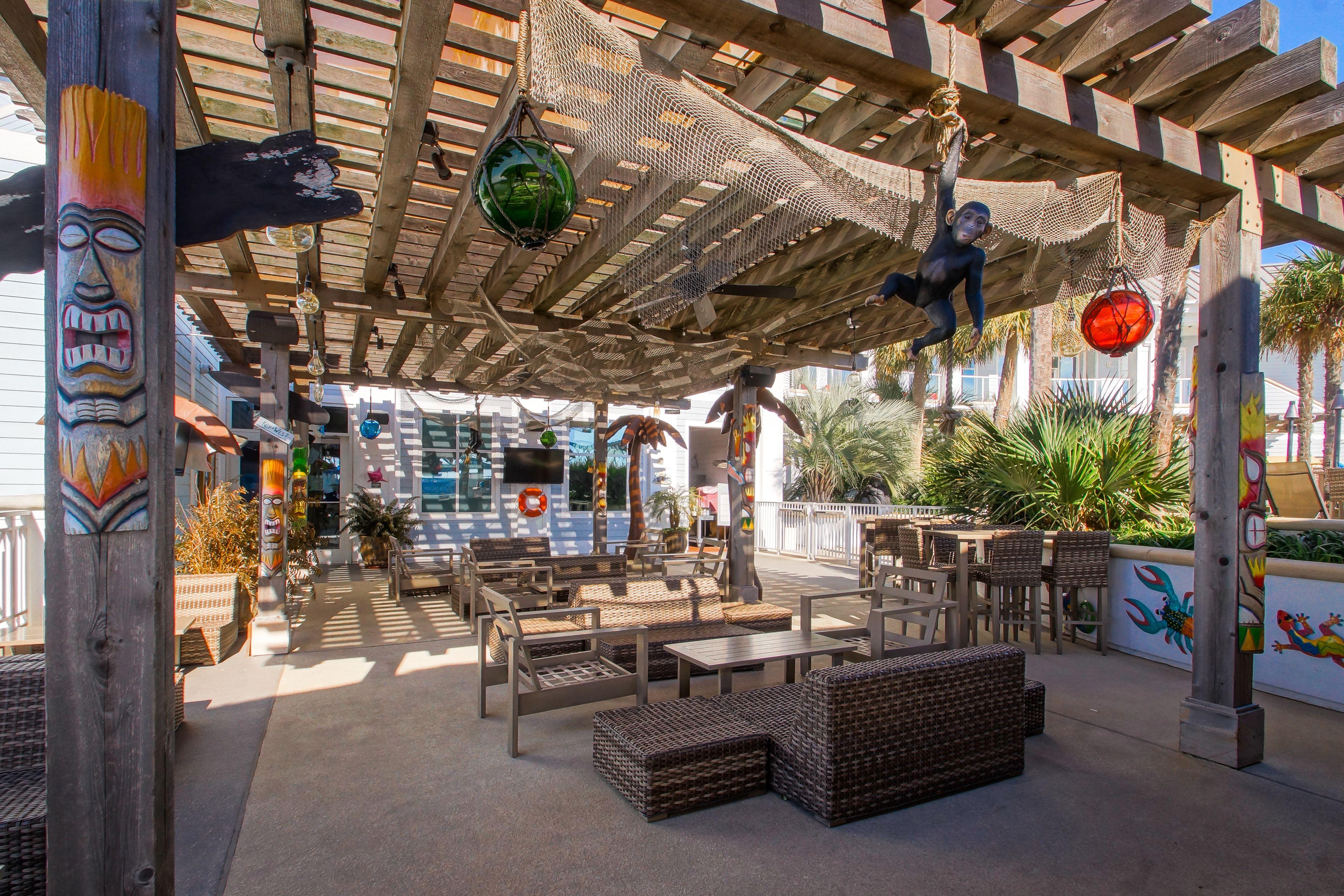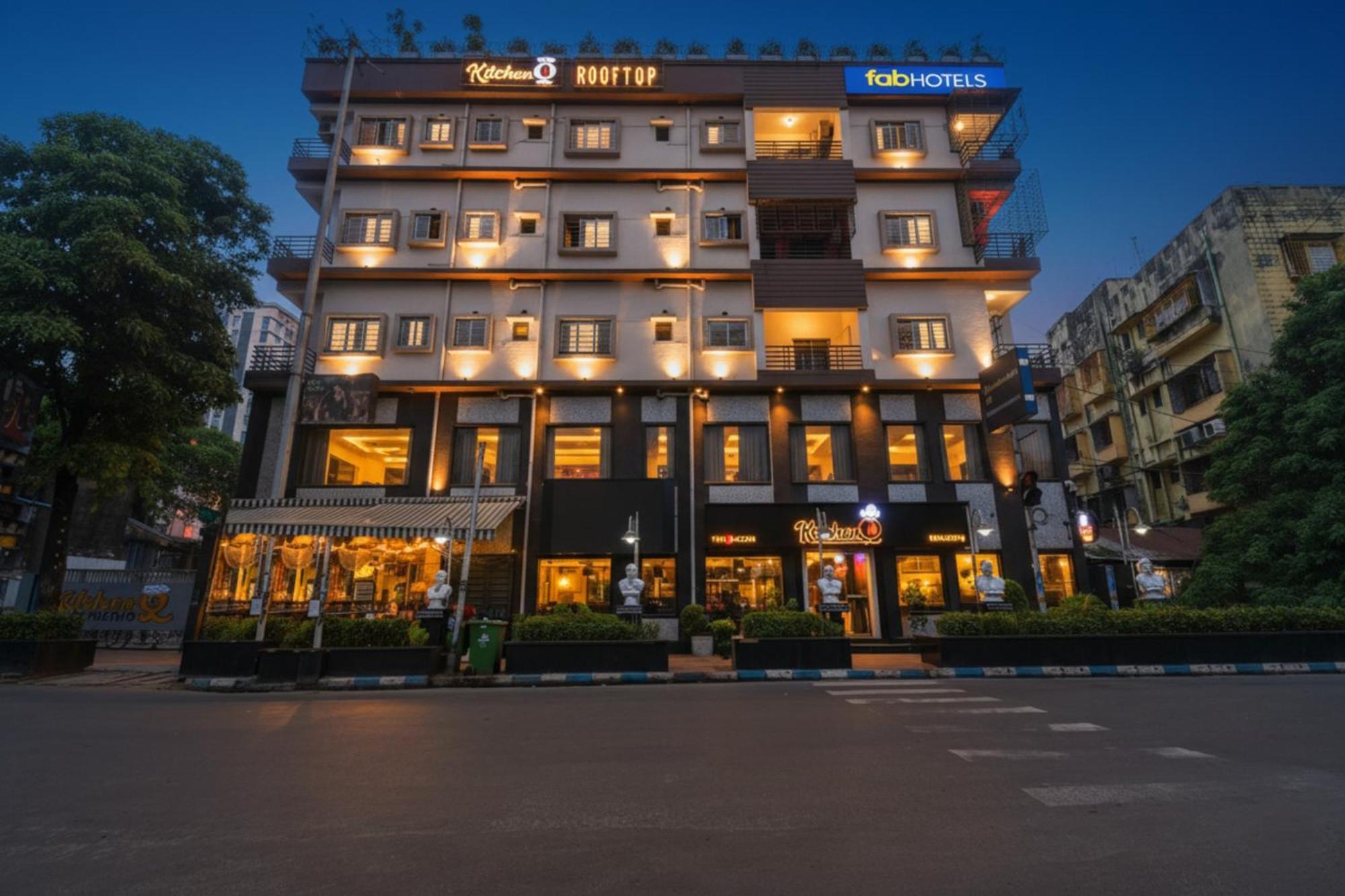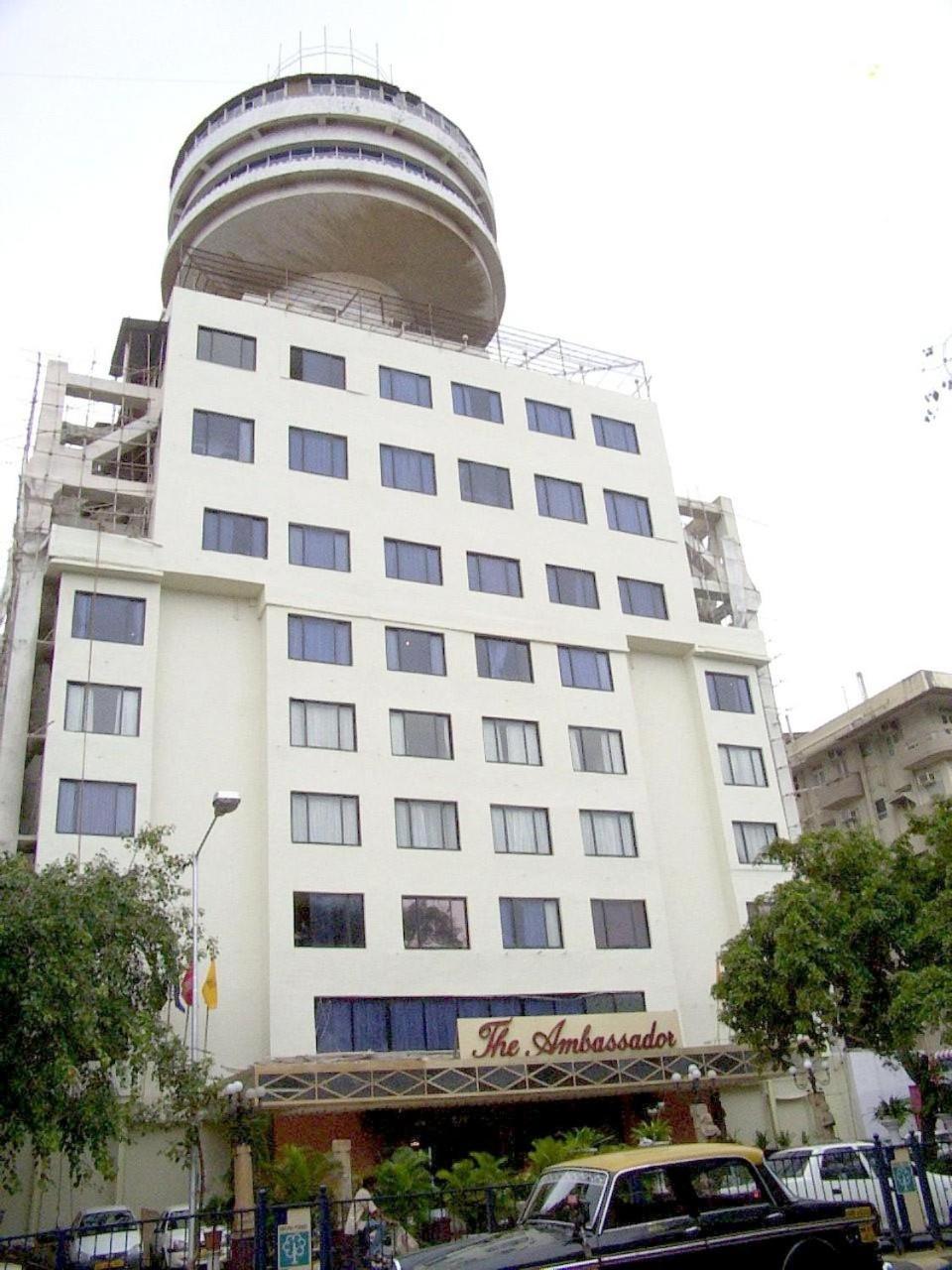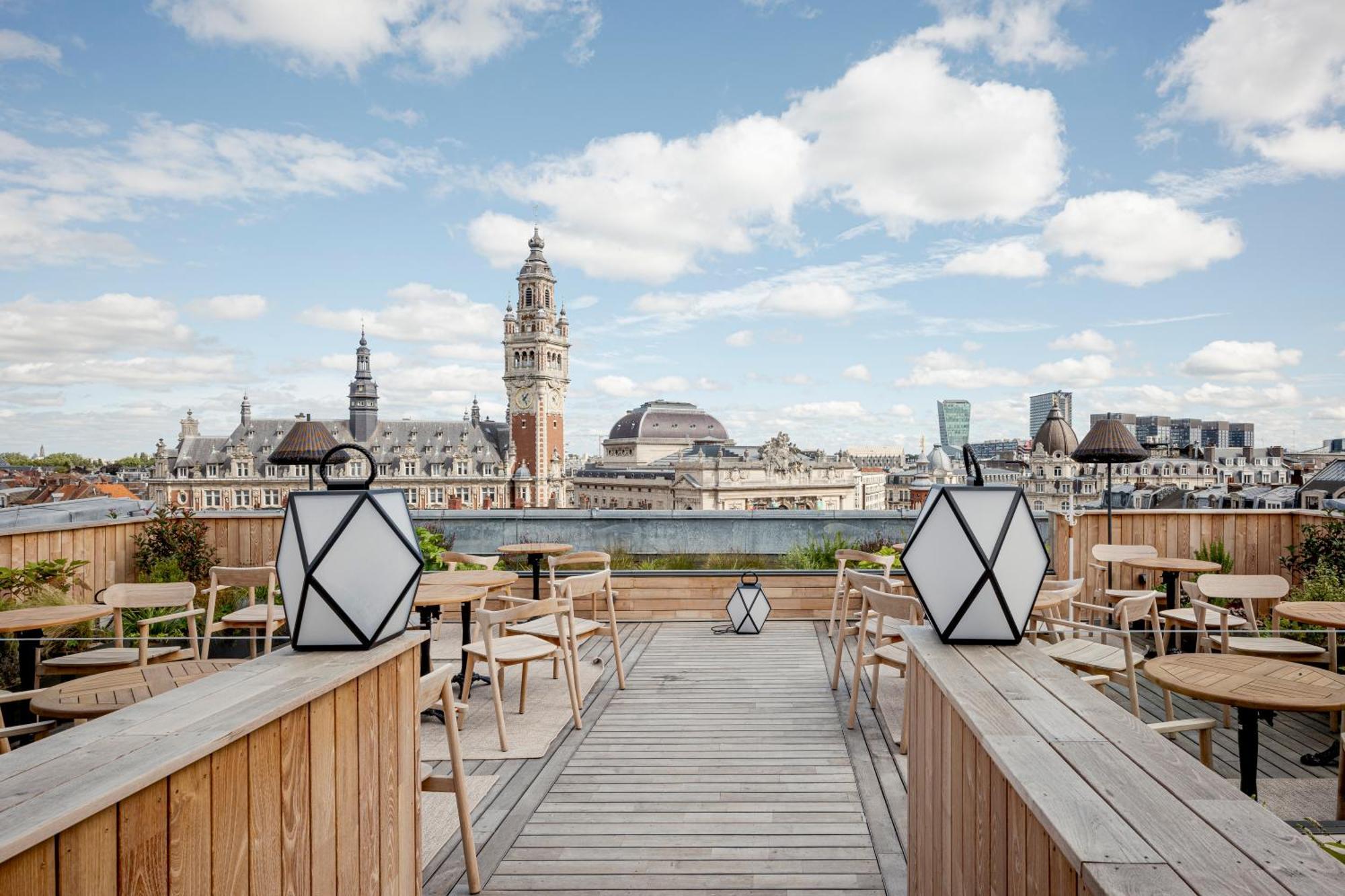
Staying near Manikarnika Ghat puts you at the spiritual core of Varanasi, within reach of the city's most sacred cremation ground, the Ganges riverbank, and the dense labyrinth of ghats that define daily life here. This guide covers six 4-star hotels positioned across different distance tiers from the ghat, helping you weigh proximity against comfort before booking.
What It's Like Staying Near Manikarnika Ghat
The area surrounding Manikarnika Ghat is one of Varanasi's most spiritually charged and logistically demanding neighborhoods. The lanes leading to the ghat - known locally as gallis - are narrow, frequently crowded with pilgrims, flower sellers, and funeral processions, and largely inaccessible to vehicles. Around-the-clock activity is the norm here, as cremations continue day and night without pause, which means the area never fully quiets down. Most hotels within close walking distance rely on auto-rickshaws or cycle rickshaws for the final stretch, while hotels positioned further along the ghats may offer a more practical base with boat access to the site.
Why Choose 4-Star Hotels Near Manikarnika Ghat
Four-star hotels in the Manikarnika Ghat zone offer a meaningful comfort buffer against the intensity of the surrounding area - reliable air conditioning, private bathrooms, and structured food service matter more here than in calmer neighborhoods. Pricing for 4-star properties in this area typically runs higher than comparable hotels elsewhere in Varanasi due to the premium on ghat-adjacent positioning and Ganges access. Room sizes tend to be moderate rather than spacious, as older heritage buildings in the old city prioritize character over square footage. Properties farther from the ghat - in the Cantt or Sarnath corridors - offer larger rooms and quieter surroundings at around the same price bracket, making the trade-off between proximity and comfort a real decision point.
Pros:
- Structured services (room service, 24-hour front desk, currency exchange) insulate you from the unpredictability of the old city
- Restaurant access on-site avoids the challenge of finding hygienic food in the gali network after dark
- Concierge and tour desk support helps navigate boat rides, temple visits, and ghat timings without relying on street touts
Cons:
- Noise from chanting, bells, and street activity can penetrate even well-insulated rooms near the ghats
- Vehicle access to ultra-close properties is restricted, meaning luggage has to be carried through narrow lanes
- Pricing premiums for ghat-view rooms can be around 40% higher than equivalent rooms without a river aspect
Practical Booking & Area Strategy
Hotels within foot access of Manikarnika Ghat are typically positioned along or just off Dasaswamedh Road and the ghat-side lanes between Dashashwamedh Ghat and Manikarnika - a stretch covering roughly 1 kilometer of riverfront. Properties here give you the ability to reach the ghat on foot in under 15 minutes, which is the main practical advantage for those attending the Ganga Aarti at Dashashwamedh or visiting the cremation ghat at dawn. Hotels with easy transport access - reachable by auto-rickshaw via Godaulia Crossing or Lanka Road - sit within 3 to 8 kilometers and offer a quieter base while keeping the ghat reachable in a short ride.
Adjacent attractions accessible from this base include Kashi Vishwanath Temple (around 500 meters on foot from the ghat), Dashashwamedh Ghat (around 800 meters), and the Ramnagar Fort viewable by boat. Sarnath, the Buddhist pilgrimage site, sits around 10 kilometers north and makes a practical half-day excursion. Book at least 6 weeks ahead for stays during Diwali, Dev Deepawali, and Mahashivaratri - these festivals draw massive crowds and ghat-adjacent rooms sell out entirely. The post-monsoon window from October through February delivers the clearest skies and most manageable crowds for first-time visitors.
Best Value Stays
These properties deliver solid 4-star infrastructure at competitive price points, with practical access to Manikarnika Ghat either on foot or via a short ride.
-
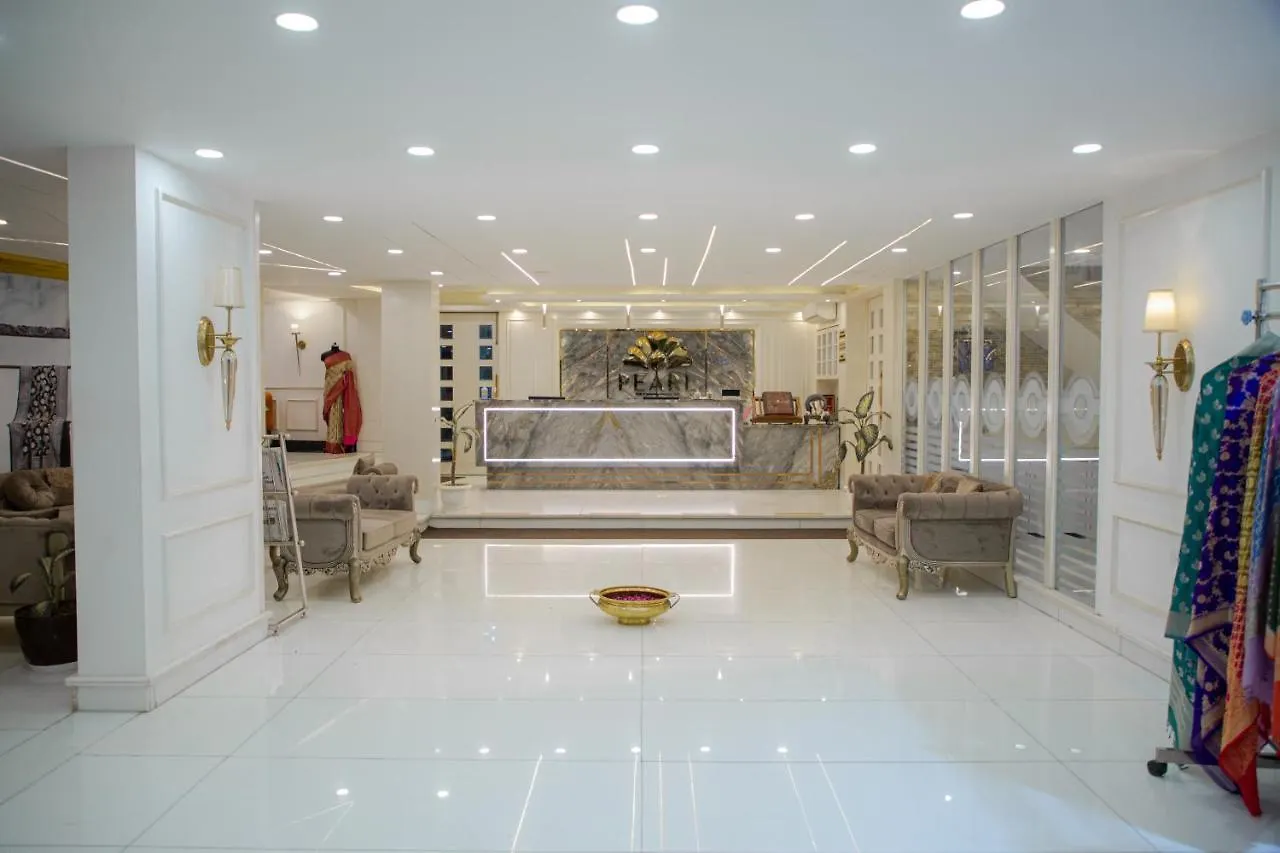
1. Pearl Courtyard
Show on map


 Check-infrom 13:00 until 23:59Check-outfrom 10:00 until 11:00
Just a few rooms left at the best rate!
fromINR 4236
-
2. Diamond Hotel
Show on map


 Check-infrom 13:00 until 23:30Check-outfrom 11:00 until 12:00
Just a few rooms left at the best rate!
fromINR 5776
-
3. Gulab Kothi By Royal Orchid Hotels Limited Varanasi
Show on map


 Check-infrom 14:00 until 23:59Check-outuntil 11:00
Hurry – almost gone at this price!
fromINR 11841
-
4. Saptapuri By Royal Orchid Hotels Limited Varanasi
Show on map


 Check-infrom 14:00 until 23:59Check-outfrom 11:00 until 12:00
Hurry – almost gone at this price!
fromINR 16750
Best Premium Stays
These two properties stand out for their closer ghat positioning, multi-restaurant setups, or distinctive features like Ganges-side sun terraces and paid airport transfers.
-
5. Guleria Kothi At Ganges
Show on map


 Check-infrom 14:00 until 23:30Check-outfrom 09:00 until 12:00
Rooms filling fast – secure the best rate!
fromINR 16173
-
6. The Fern Residency Sarnath
Show on map


 Check-infrom 14:00 until 23:59Check-outuntil 12:00
Rooms filling fast – secure the best rate!
fromINR 16173
Smart Travel & Timing Advice for Manikarnika Ghat
The optimal window for staying near Manikarnika Ghat runs from October through early March, when temperatures are manageable and the Ganges sits at a navigable level for boat rides. Dev Deepawali in November - held fifteen days after Diwali - transforms the entire ghat waterfront into a lit spectacle and is arguably the most visually dramatic time to be in Varanasi, but hotel availability near the ghats collapses entirely; booking around 8 weeks ahead is the minimum for that period. Mahashivaratri (February-March) brings comparable crowd density and is particularly intense around Kashi Vishwanath Temple, directly adjacent to Manikarnika Ghat.
The monsoon months of July through September bring flooding risk to the lower ghats, and some ghat-adjacent hotels restrict access or experience partial closures. Most visitors find three nights sufficient to cover the main ghat experiences - dawn boat ride on the Ganges, Ganga Aarti at Dashashwamedh, Manikarnika Ghat at dusk, and a Sarnath half-day - without the area's intensity becoming overwhelming. Last-minute bookings near the ghat during festival periods are effectively unavailable at 4-star level; mid-range and budget options fill even faster, making advance planning non-negotiable for the peak season.