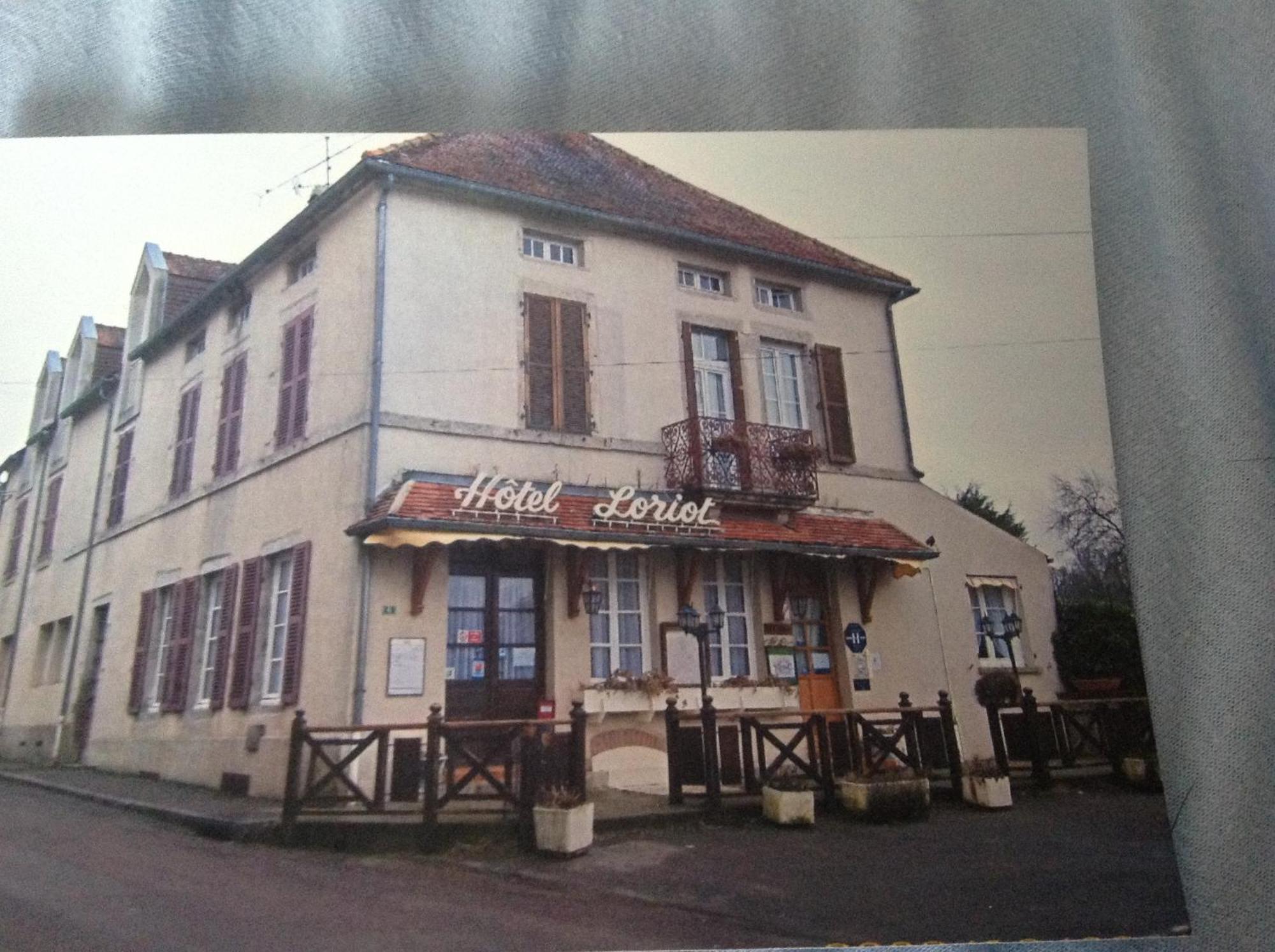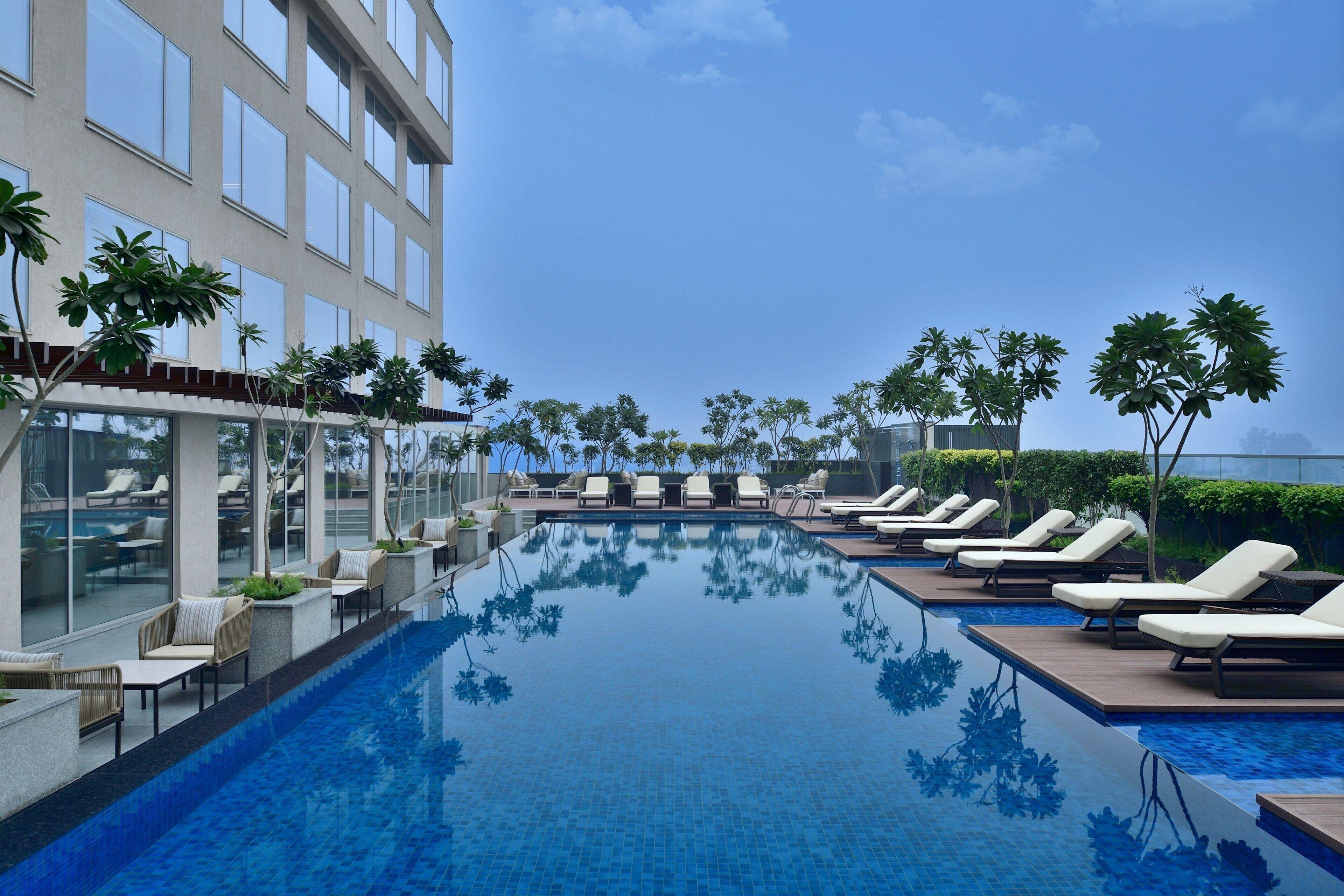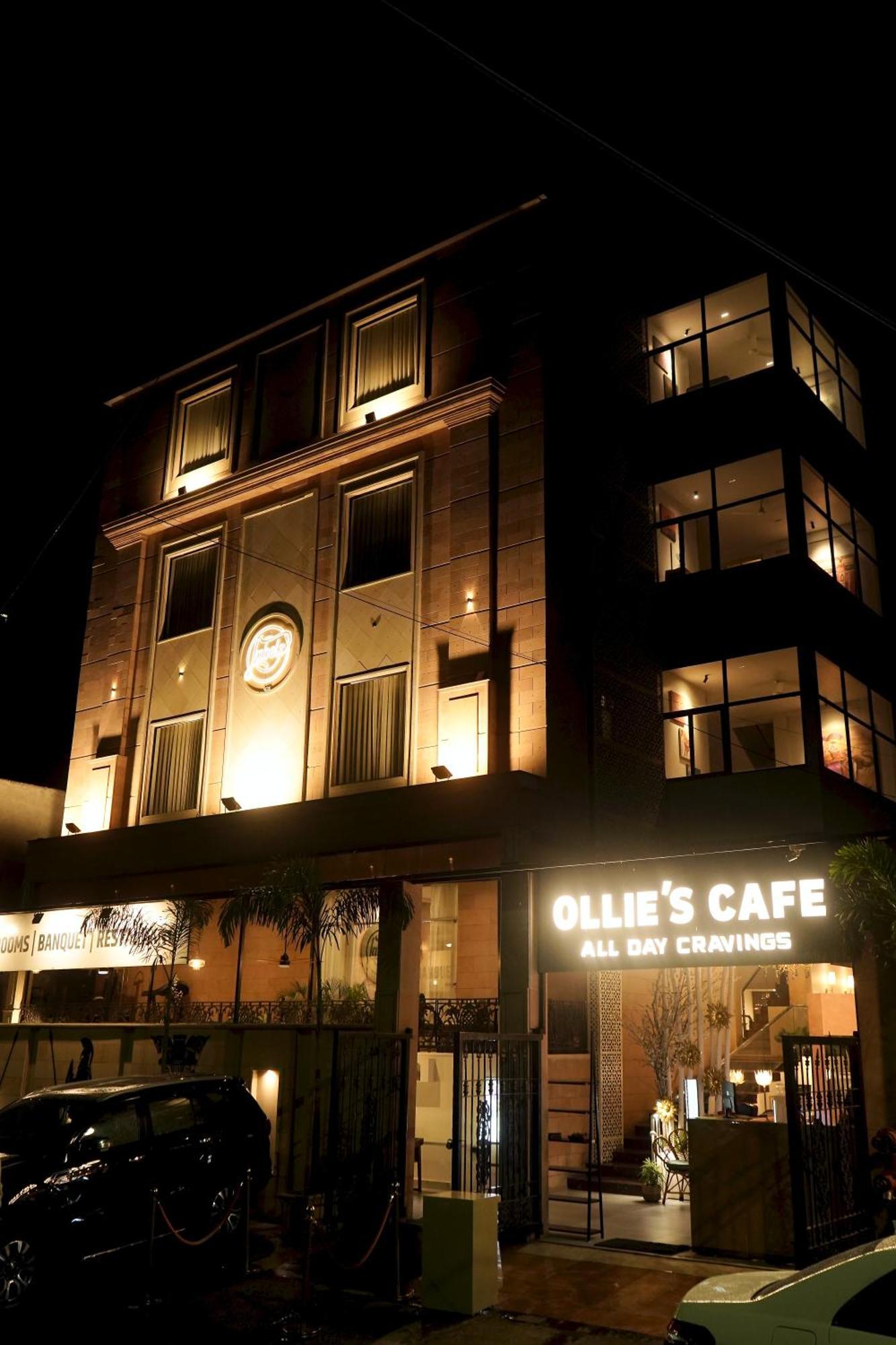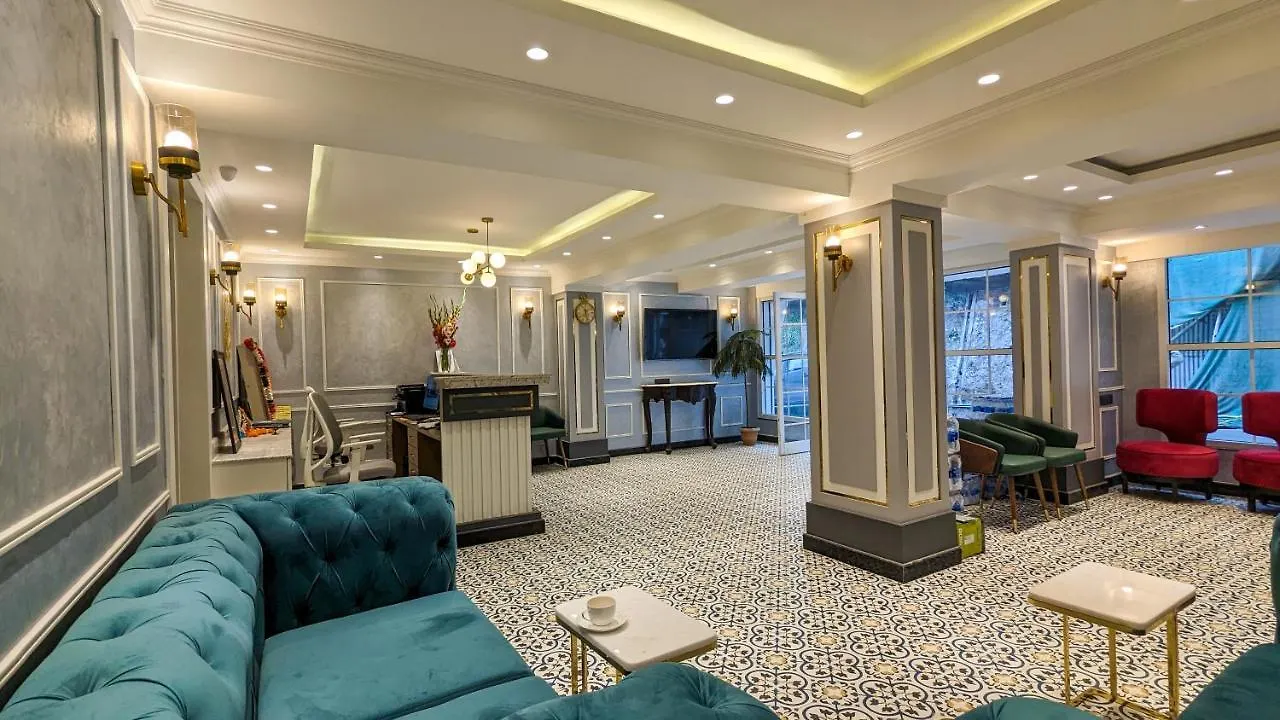
Staying near the Japanese Peace Pagoda in Darjeeling puts you in one of the quieter, more contemplative corners of this hill town - away from the chaos of Chowrasta Mall Road yet still connected to the main sights. The pagoda sits on a forested ridge in the Jalapahar area, and hotels within around 2 km offer a noticeably calmer base than properties clustered around the town centre. This guide covers 4 hotels close to Japanese Peace Pagoda in Darjeeling, with practical details to help you choose the right one before you book.
What It's Like Staying Near Japanese Peace Pagoda
The area surrounding the Japanese Peace Pagoda sits on Darjeeling's southern ridge, roughly in the Jalapahar zone - a residential, low-traffic pocket that contrasts sharply with the crowded bazaar lanes near the town centre. Most hotels here sit within 2.5 km of the pagoda, reachable on foot via steep, forested paths or by shared jeep in under 10 minutes. Crowd pressure is low compared to the Observatory Hill or Nehru Road belt, making early-morning walks and evening quiet genuinely accessible - though the trade-off is fewer restaurants and shops within immediate walking distance.
Pros:
- Significantly less foot traffic and noise compared to central Darjeeling hotels
- Direct access to the pagoda's walking trail and Jalapahar hill circuit without needing transport
- Closer to Himalayan Mountaineering Institute and Zoological Park, both walkable from most properties in this zone
Cons:
- Limited dining options within walking distance - most guests rely on hotel restaurants or a jeep ride into town
- Steep terrain makes on-foot movement demanding, especially with luggage
- Fewer budget street-food options compared to hotels near Chowk Bazaar or Nehru Road
Why Choose a Hotel Near Japanese Peace Pagoda in Darjeeling
Hotels in this zone tend to be 3-star properties or boutique-style stays rather than large chain hotels - Darjeeling's ridge topography limits large-footprint construction, which keeps room counts low and atmosphere more personal. Rates near the pagoda are generally competitive with central Darjeeling, though properties with Kanchenjunga-facing views or hill-circuit access can command a notable premium. Room sizes here are typically more generous than equivalent-priced hotels crammed along Nehru Road, a direct result of lower land density in the Jalapahar area.
Pros:
- More spacious rooms at similar price points compared to central Darjeeling accommodation
- Properties in this zone frequently offer terrace or balcony access with mountain-facing outlooks
- Quieter overnight environment - no bazaar noise, no honking from the busy Mall Road loop
Cons:
- Fewer hotels overall means less last-minute availability, especially in peak season
- Taxi and jeep coordination needed for most evening dining or sightseeing trips into central Darjeeling
- Some properties in this tier lack elevator access - significant on a hill where room floors vary considerably in elevation
Practical Booking & Area Strategy
The Japanese Peace Pagoda stands on a forested hillock accessible from a signposted trail off the Jalapahar Road - hotels along or just off Jalapahar Road and AJC Bose Road give the most direct access to this trail and to the Himalayan Mountaineering Institute below. Properties within close vicinity (foot access) sit under 2.5 km from the pagoda and can reach it on foot in around 30 minutes via the hillside path, though the incline is steep. Hotels slightly further, in easy access range (transport access), cover the broader Darjeeling town area and rely on a 10-15 minute shared jeep ride. Beyond the pagoda itself, the surrounding zone connects to the Zoological Park, Happy Valley Tea Estate, and Mahakal Mandir - all reachable without a full-day excursion. Book at least 6 weeks ahead for the March-May and September-October windows when Darjeeling's weather is clearest and room availability in this quieter zone drops sharply. Last-minute bookings in peak periods typically push guests toward less well-positioned central hotels.
Best Value Stays
These properties offer strong positioning near the Japanese Peace Pagoda with solid facilities at accessible price points - suited to travellers who want proximity to the pagoda without paying a premium rate.
-
1. Hotel Sonar Bangla Darjeeling
Show on map


 Check-infrom 12:00 until 23:59Check-outuntil 11:00
Just a few rooms left at the best rate!
fromINR 3732
-
2. Wonder Woods Boutique Hotel
Show on map


 Check-infrom 12:00 until 23:30Check-outuntil 11:00
Just a few rooms left at the best rate!
fromINR 5071
Best Premium Stays
These properties are positioned for travellers seeking a more elevated or distinctive experience near the Japanese Peace Pagoda, with stronger differentiators in setting or service scope.
-
3. Hotel Golden Orchid
Show on map


 Check-infrom 13:00 until 22:00Check-outfrom 08:00 until 11:00
Hurry – almost gone at this price!
fromINR 2392
-
4. Q Saina Mapham
Show on map


 Check-infrom 14:00 until 23:30Check-outuntil 11:00
Rooms filling fast – secure the best rate!
fromINR 4593
Smart Travel & Timing Advice for the Japanese Peace Pagoda Area
Darjeeling's clearest skies - and the best conditions for viewing the pagoda against the Kanchenjunga backdrop - fall in March to May and mid-September to November. These windows are also the busiest, and hotels within 2.5 km of the pagoda in the Jalapahar zone fill up faster than central properties because there are simply fewer of them. The monsoon months from June through August bring persistent cloud cover that obscures mountain views entirely and makes the steep forest trails to the pagoda slippery and difficult. Winter visits (December-February) offer crisp air and occasional snow on the higher peaks, with noticeably lower room rates - around 30% cheaper than peak season - though early mornings near the pagoda can be genuinely cold at this elevation. A 3-night stay is the practical minimum to cover the pagoda, Tiger Hill sunrise, Ghoom Monastery, and the Himalayan Mountaineering Institute without rushing. Last-minute booking works in the low season but is a genuine gamble in October, when domestic tourism from Kolkata and across West Bengal peaks sharply.