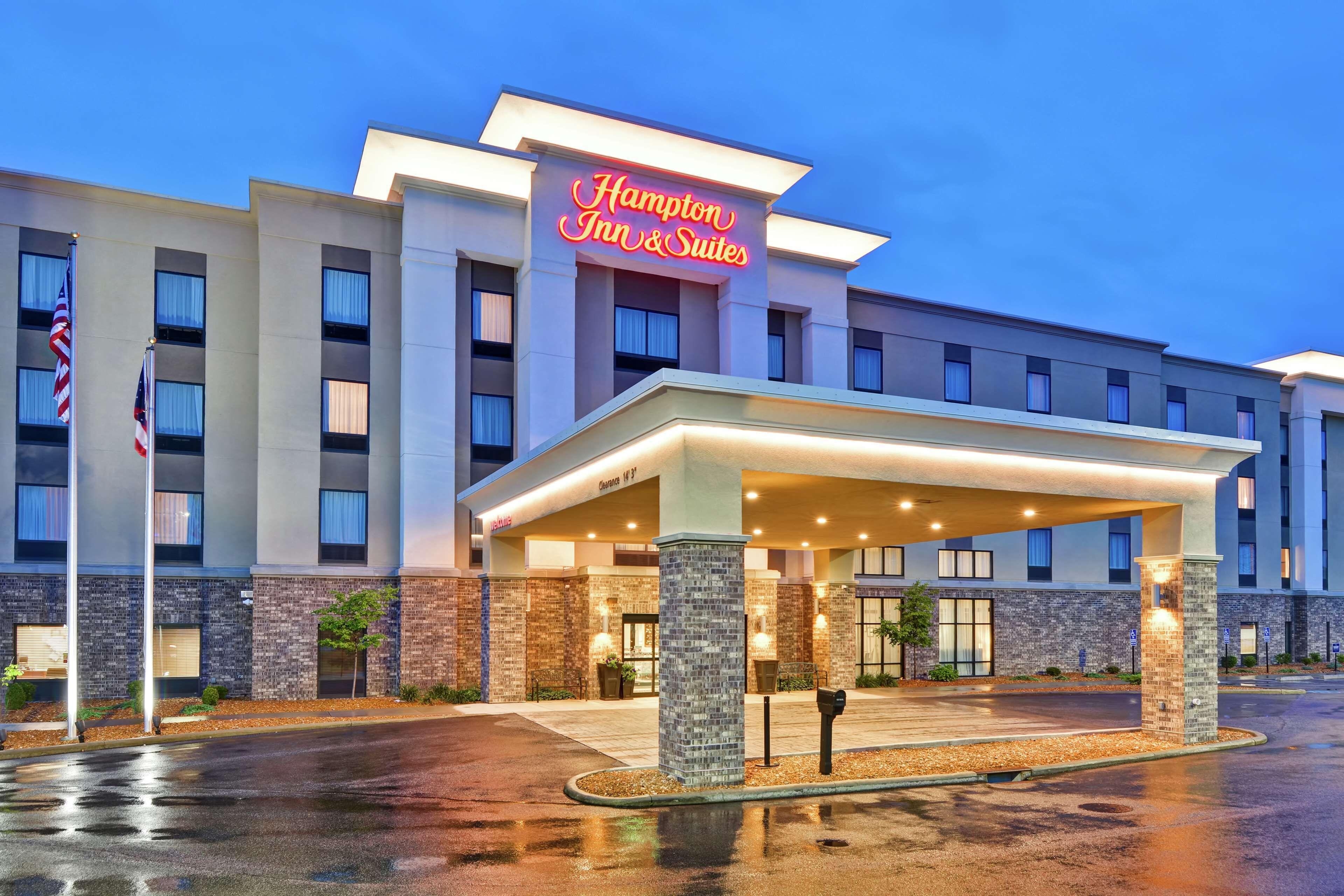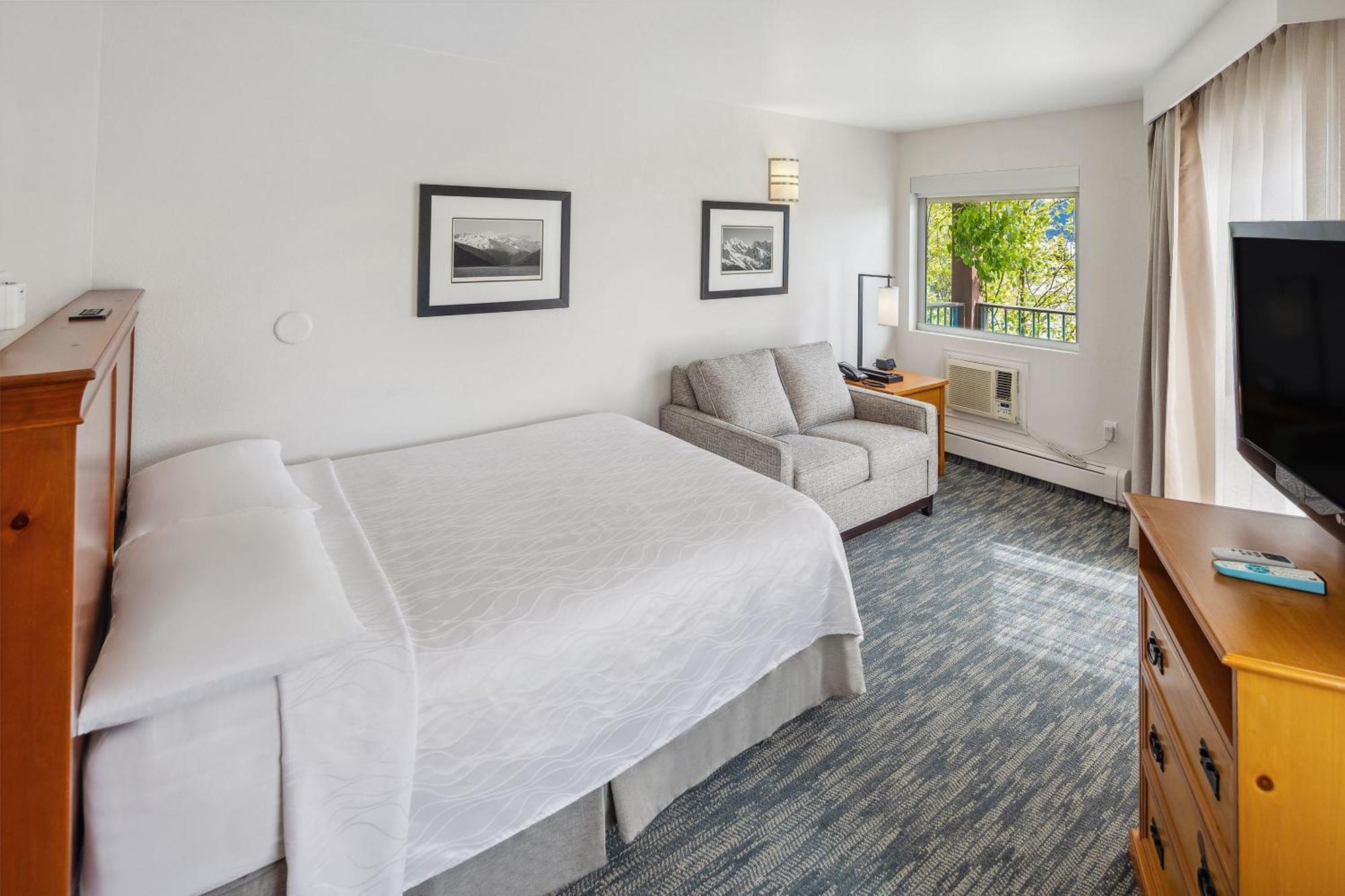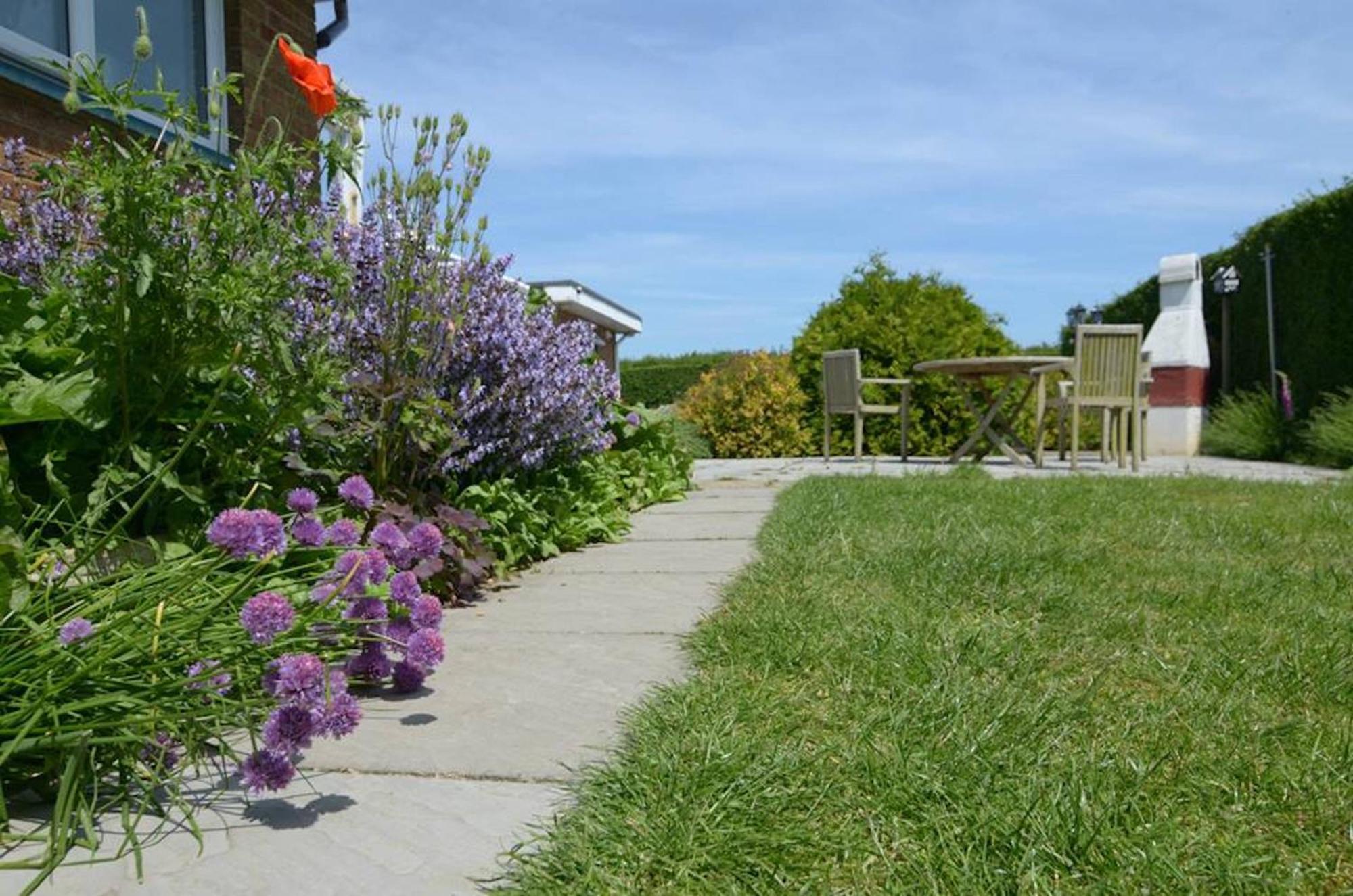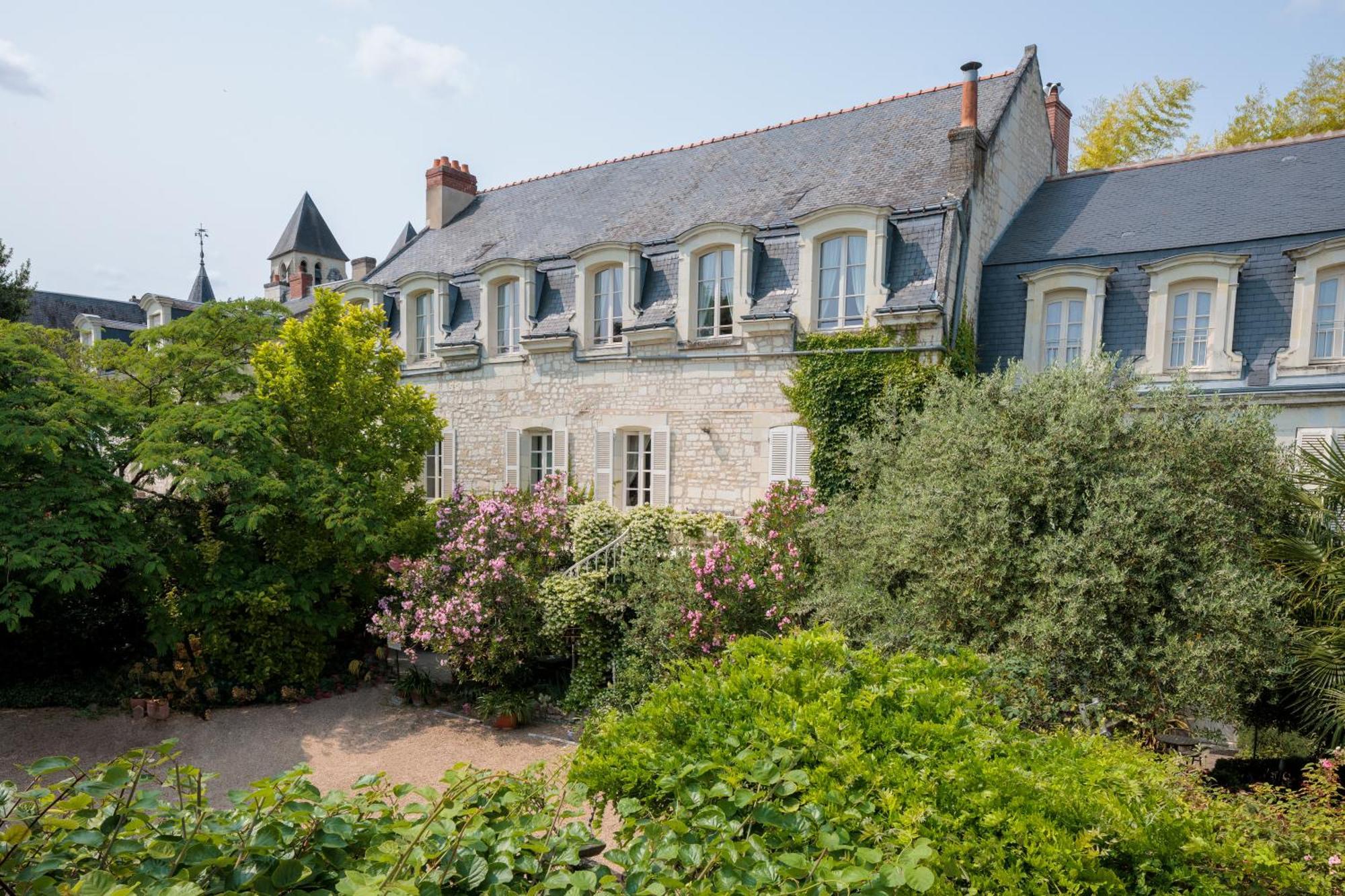
The Centre-Val de Loire region stretches from the Loire Valley châteaux corridor near Tours down through the quieter Indre and Creuse departments, offering a surprisingly wide spread of 3-star accommodation options. Whether you're chasing the famous wine routes, cycling between Renaissance castles, or exploring the lesser-known Brenne wetlands, the right hotel base changes the entire trip. This guide covers 4 carefully selected 3-star hotels across the region - with honest area assessments, booking timing insights, and clear comparisons to help you decide where to stay.
What It's Like Staying in Centre, France
Centre-Val de Loire is not a compact city destination - it's a vast administrative region roughly the size of Switzerland, built around river valleys, agricultural plains, and medieval towns. Tours is the main transport hub, with direct TGV connections to Paris Montparnasse in around 1 hour, making the western half of the region far more accessible than the inland Indre or Creuse areas. Crowd patterns vary sharply: the Loire Valley corridor (Tours, Amboise, Blois) draws heavy tourist traffic from May through September, while the southern Indre department remains genuinely quiet year-round, attracting hikers, cyclists, and travellers seeking rural immersion over château selfies.
Pros:
- Direct TGV access from Paris to Tours makes the western corridor easy to reach without a car
- Enormous variety of landscapes - from the Loire River châteaux belt to the Brenne nature reserve - within one region
- Significantly lower accommodation prices than Normandy or Provence for comparable quality
Cons:
- The southern and eastern parts of the region (Indre, Creuse) are almost impossible to explore without a rental car
- Peak summer crowds around Chambord and Amboise can make nearby hotels feel overpriced relative to the experience
- Few late-night dining or nightlife options outside of Tours city centre
Why Choose 3-Star Hotels in Centre, France
In Centre-Val de Loire, the 3-star category covers a wide spectrum - from converted manor houses with garden terraces to reliable roadside business hotels near airports. What unites them is a practical balance: private bathrooms, on-site breakfast, and enough amenities to avoid the self-catering compromises of budget stays, without the inflated pricing of the region's prestige château hotels. A well-chosen 3-star property in the Indre department can cost around 40% less than a comparable-rated hotel in the Loire Valley proper, making location the dominant price driver rather than quality. Room sizes tend to be more generous in rural and semi-rural properties than in Tours city-centre hotels, where heritage buildings often impose tighter layouts.
Pros:
- Rural 3-star properties frequently include features - pools, tennis courts, private gardens - that would cost significantly more in urban settings
- Breakfast quality at independent 3-star properties in Centre often features local produce and fresh pastries, well above chain hotel standards
- Free private parking is standard at most 3-star properties outside Tours, which matters when exploring by car
Cons:
- Properties rated 3 stars in rural Indre may have limited reception hours, requiring arrival coordination in advance
- Some 3-star listings in the region are essentially upgraded B&Bs with only a handful of rooms, offering less flexibility for solo travellers or last-minute changes
- Dining options near rural 3-star hotels can be limited, especially Sunday evenings
Practical Booking & Area Strategy for Centre, France
For travellers arriving by train, Tours is the logical base - Saint-Pierre-des-Corps station sits on the main TGV line, and from there you can reach Amboise (27 km), Chenonceau (35 km), and Villandry (18 km) either by local train or rental car. If your itinerary focuses on the Brenne Regional Nature Park, Châteauroux is the nearest town with a functional train station, though onward travel still requires a vehicle. The Indre department's countryside - home to the Saint-Savin Abbey (a UNESCO World Heritage site), the prehistoric cave art at Le Roc aux Sorciers, and the medieval village of Angles-sur-l'Anglin - rewards slow travellers willing to drive. Book at least 6 weeks ahead for May through August in the Loire Valley corridor, particularly around Amboise and Blois; the Indre area has more last-minute availability but fewer alternative options if your preferred property is full.
Best Value Stays
These properties offer strong practical value - functional, well-located, and suited to travellers who need a reliable overnight base rather than a destination experience.
-
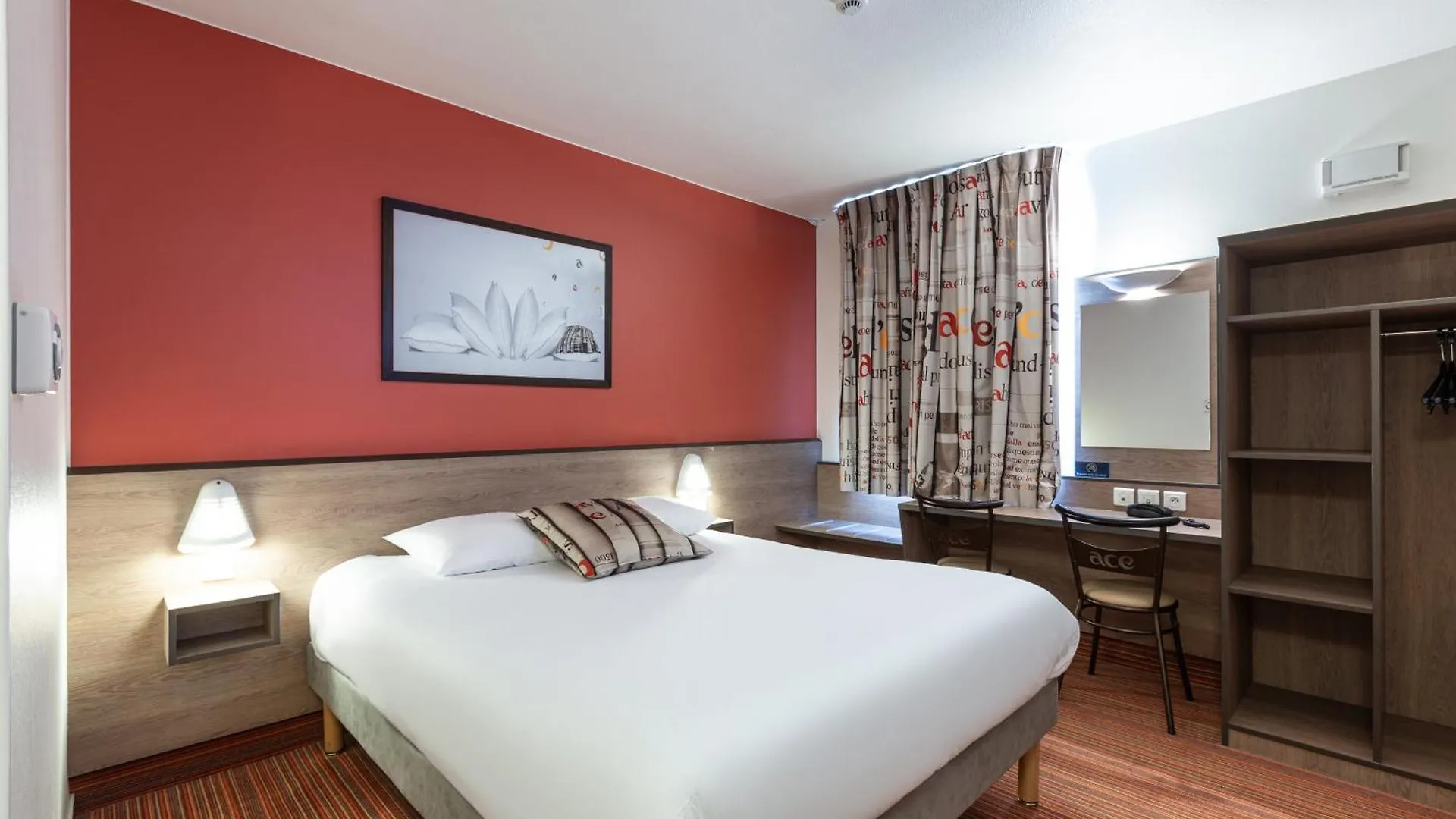
1. Ace Hotel Chateauroux Deols
Show on map


 Check-infrom 16:00 until 23:59Check-outuntil 11:00
Just a few rooms left at the best rate!
from€ 62
-
2. La Ruche, Chaillac
Show on map


 Check-infrom 17:00 until 21:00Check-outuntil 10:00
Just a few rooms left at the best rate!
from€ 81
Best Premium Stays
These properties go beyond the standard 3-star baseline - offering distinctive settings, notable amenities, or strong experiential value that justify a higher nightly rate in the Centre region.
-
3. Chateau De Forges
Show on map


 Check-infrom 16:00 until 19:00Check-outfrom 09:00 until 12:00
Hurry – almost gone at this price!
from€ 194
-
4. Loire Valley Lodges - Hotel
Show on map


 Check-infrom 16:00 until 21:30Check-outfrom 08:00 until 11:00
Rooms filling fast – secure the best rate!
from€ 512
Smart Travel & Timing Advice for Centre, France
May and June offer the best balance of weather, crowd levels, and pricing in Centre-Val de Loire - the Loire Valley châteaux are open, cycling conditions are excellent, and accommodation rates haven't yet hit the July-August peak. July and August bring the highest visitor volumes to Amboise, Chambord, and Chenonceau, with hotel prices near those landmarks rising sharply and availability tightening weeks in advance. The southern Indre stays quieter through summer, making last-minute bookings more feasible there, though properties like Chateau de Forges have few rooms and can fill up regardless of season. September is arguably the strongest month for the region: harvest season begins, crowds thin, and the Loire Valley light is particularly well-suited to outdoor sightseeing. A minimum of 3 nights is needed to make any stay in the Indre worthwhile given the distances between key sites; for the Tours-centred Loire Valley corridor, 2 nights is workable. Avoid booking the Loire Valley area for late October through March unless targeting specific events - many smaller restaurants and local attractions reduce hours or close entirely.